Assembly Material Handling: Innovations & Trends Shaping 2026
The modern manufacturing landscape is characterized by increasing complexity and demand for greater efficiency and resilience. At the heart of successful assembly operations lies a critical function: material handling. Assembling products requires a constant, precise, and seamless flow of components, sub-assemblies, and finished goods. Traditional methods, heavily reliant on manual labor and static infrastructure, are no longer sufficient to meet the rigorous demands of today’s production lines. Innovation in assembly material handling is not merely an option; it is an imperative for manufacturers striving to remain competitive, agile, and sustainable. This article delves into the groundbreaking innovations and transformative trends that are redefining how materials are managed within assembly processes, paving the way for the smart factories of 2026 and beyond.
Introduction: The Imperative for Innovation in Assembly
The evolution of manufacturing has placed unprecedented demands on assembly lines. From intricate electronics to large-scale aerospace components, the need for speed, accuracy, and flexibility is paramount. In this dynamic environment, the efficiency of assembly material handling—the movement, positioning, control, and protection of materials, components, and finished goods throughout the manufacturing process—directly impacts throughput, cost, quality, and worker safety. As product customization increases and supply chains face ongoing disruptions, the traditional forklift and manual labor models are reaching their limits. Manufacturers are compelled to seek advanced solutions that can provide real-time visibility, dynamic responsiveness, and intelligent automation. This shift is not just about upgrading equipment; it’s about fundamentally rethinking the entire material flow to create more integrated, intelligent, and resilient assembly operations.
Defining Assembly Material Handling in the Modern Context
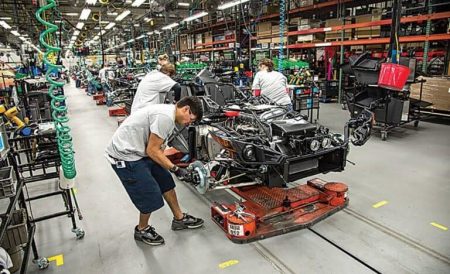
The integrated flow of materials in a modern assembly environment, ensuring the right components, tools, and sub-assemblies arrive at the right station at the right time.
Assembly material handling encompasses all activities involved in moving, staging, and managing materials from their point of entry into the assembly area to their transformation into finished products. This includes the delivery of raw materials and components to the assembly line, the internal movement and positioning of work-in-progress between stations, the retrieval of tools and consumables, and the staging and testing of completed units. In its modern context, it signifies a move away from discrete, siloed operations towards an integrated system where material flow is precisely orchestrated and optimized in sync with production schedules. This is about ensuring the right part arrives at the right station, at the right time, in the right quantity, and in the right condition, seamlessly supporting the assembly workflow. The global material handling equipment market, estimated to be valued at USD 242.51 Bn in 2025, is projected to grow at a compound annual growth rate (CAGR) of 6.2% to reach USD 369.73 Bn by 2032, underscoring the significant investment and innovation occurring in this sector [source: Coherent Market Insights, 2025].
Why Innovation is Critical Now: Drivers for Transformation
Several converging factors are driving the urgent need for innovation in assembly material handling. Firstly, the increasing complexity and customization of products require more sophisticated logistics to manage a wider variety of components and assembly sequences. Secondly, global competition and customer demand for faster delivery necessitate improved throughput and reduced lead times, which are heavily influenced by material flow efficiency. Labor shortages and rising labor costs further compel manufacturers to explore automation as a means to maintain productivity and offset these challenges. Moreover, the volatility of global supply chains, exacerbated by geopolitical tensions—where 56% of companies reported supply chain disturbances in 2025 due to such factors [source: Procurement Tactics, 2025]—highlights the critical need for resilience. Finally, the growing emphasis on sustainability and environmental responsibility is pushing for greener, more energy-efficient material handling solutions.
The Automated Backbone: Robotics and Autonomous Systems on the Assembly Line
Automation stands as the cornerstone of modern assembly material handling, transforming operations from manual, labor-intensive tasks to efficient, intelligent workflows. Robotics and autonomous systems are no longer futuristic concepts but essential tools for achieving agility and precision in 2026.
Autonomous Mobile Robots (AMRs) and Automated Guided Vehicles (AGVs)
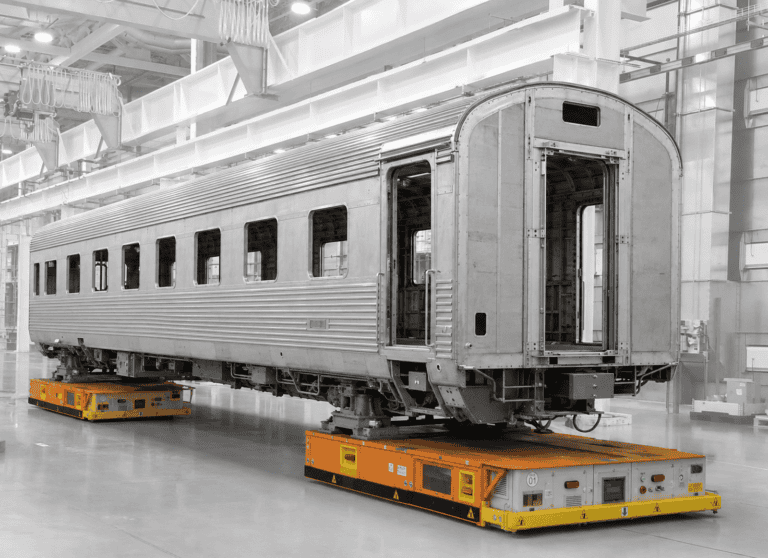
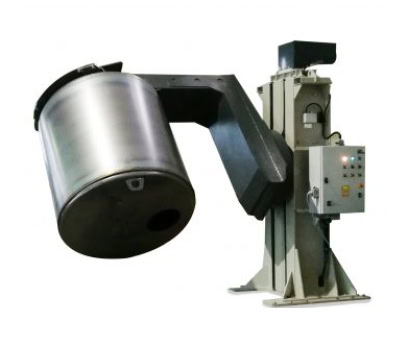
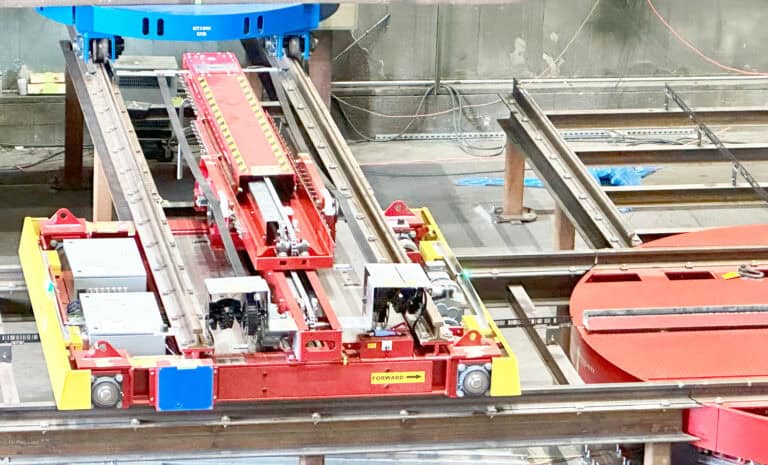
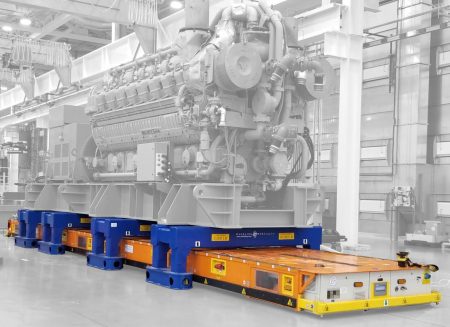
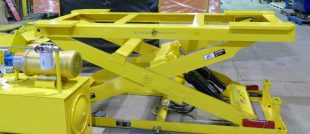
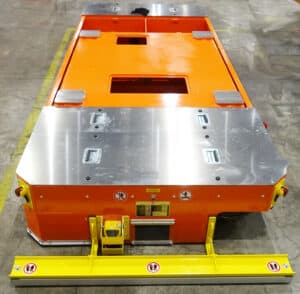
Automated Guided Vehicles (AGVs) and Autonomous Mobile Robots (AMRs) are revolutionizing the movement of materials within manufacturing facilities. AGVs, traditionally following predefined paths, are increasingly being augmented with advanced navigation systems. AGVs utilize sensors and AI to navigate dynamically, allowing for more flexible and responsive material delivery. In assembly operations, they are pivotal for transporting components from one workstation to another, moving sub-assemblies between different production cells, and even performing line-side replenishment. AGV’s are now fitted with additional tooling specific for their assembly task like scissor lifts, rotating platforms, rollerball platforms, tilters and turntables. These custom tooling accessories can be programmed to position equipment and sub assemblies precisely for Robotic arms or technicians to perform their assigned duties at ergonomic heights. Their ability to operate continuously and precisely reduces dependency on manual transport, minimizes errors, and ensures a steady supply of materials, thus preventing costly line stoppages. The global automated material handling equipment market is expected to expand significantly, with projections indicating a CAGR of 9.50% from 2025 to 2033, reaching USD 33624.8 million in 2025 [source: Cognitive Market Research, 2025].
Automated Storage and Retrieval Systems (AS/RS) for Assembly Components
Automated Storage and Retrieval Systems (AS/RS) play a crucial role in optimizing the management of components required for assembly. These systems, ranging from shuttle-based systems to high-density vertical lift modules, efficiently store and retrieve vast quantities of parts, delivering them precisely when and where they are needed on the assembly line. For manufacturers dealing with a wide array of SKUs or just-in-time (JIT) inventory strategies, AS/RS ensures that the correct components are readily available, minimizing search times and preventing production delays. This integration is key to maintaining a lean and efficient assembly process, especially in high-volume manufacturing environments like automotive assembly.
Automated Inbound and Outbound Material Flow
The automation of material handling in 2026 extends beyond the immediate assembly line to encompass inbound receiving and outbound shipping operations. Automated systems can streamline the unloading of incoming materials, their inspection, sorting, and direct delivery to the correct upstream staging areas or directly to the assembly line. Similarly, automated systems can manage the efficient movement of finished goods from the end of the assembly line to shipping docks, optimizing loading and reducing transit times. This holistic automation of material flow ensures that the entire supply chain, from supplier to customer, operates with greater speed, visibility, and reduced manual intervention, enhancing overall logistics efficiency.
The Brains Behind the Brawn: Artificial Intelligence and Data Analytics
While automation provides the physical capabilities, artificial intelligence (AI) and advanced data analytics are the intelligence engines driving its effectiveness. These technologies transform raw data into actionable insights, enabling predictive capabilities and optimizing complex material flows.
AI-Driven Optimization of Material Flow and Inventory for Assembly
AI algorithms can analyze vast datasets from sensors, production systems, and logistics networks to optimize material flow in real-time. This includes dynamic routing of AGVs/AMRs based on line-side inventory levels, predicted assembly completion times, and potential bottlenecks. AI can also enhance inventory management for assembly components, predicting demand fluctuations, identifying potential shortages before they occur, and optimizing reorder points. This ensures that the assembly line consistently receives the necessary parts, minimizing stock-outs and reducing excess inventory holding costs.
Generative AI and Agentic AI in Assembly Planning and Design
Emerging AI applications in 2026, like Generative AI and Agentic AI offer powerful new capabilities for assembly planning and design. Generative AI can assist in designing optimal assembly line layouts, simulating different material flow configurations to identify bottlenecks, and even proposing new workflow designs. Agentic AI, which involves autonomous software agents capable of complex decision-making, can manage material allocation dynamically, adapting to unforeseen disruptions or changes in production priorities. This allows for highly adaptive and self-optimizing assembly processes, where material handling decisions are made intelligently and autonomously to ensure continuous operation.
Data Analytics for Performance Monitoring and Continuous Improvement
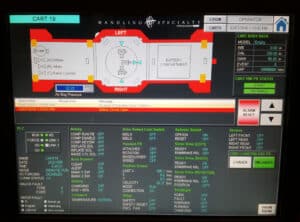
The implementation of automated material handling systems generates a wealth of data. Advanced data analytics platforms are crucial for interpreting this information to monitor performance, identify trends, and drive continuous improvement. Metrics such as equipment uptime, material delivery times, throughput rates, and error logs can be tracked and analyzed. This data-driven approach allows operations managers to pinpoint inefficiencies, troubleshoot issues proactively, and make informed decisions to refine material handling processes, ultimately enhancing the overall productivity and reliability of the assembly line.
Integrated Ecosystems: The Smart Factory’s Material Handling Backbone
The true power of modern assembly material handling lies not in individual technologies but in their seamless integration into a cohesive, intelligent ecosystem. This creates a “smart factory” where systems communicate, collaborate, and optimize collectively.
Connecting Technologies for Seamless Assembly Operations
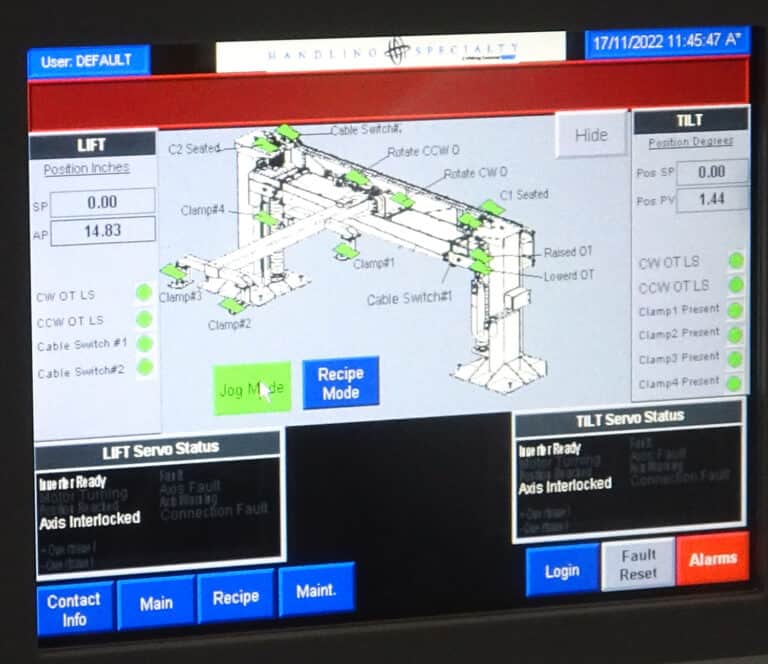
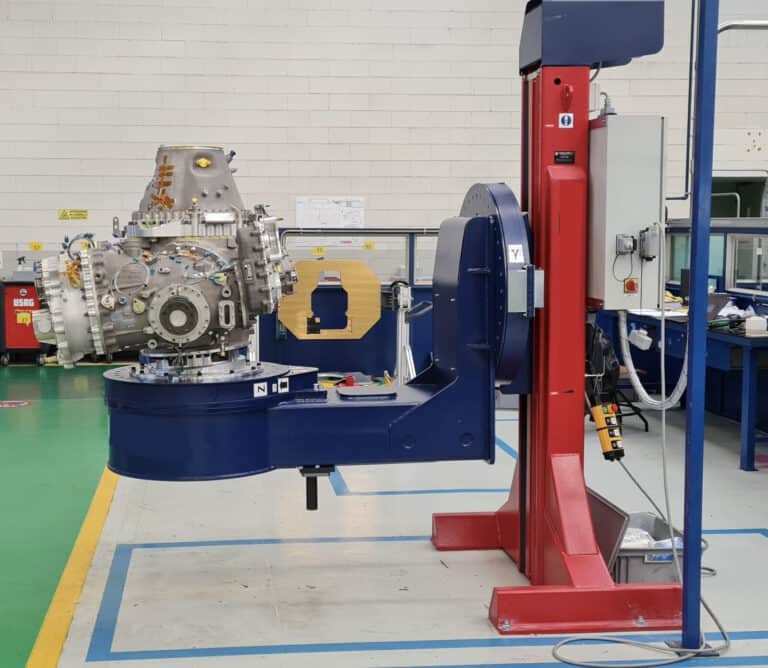
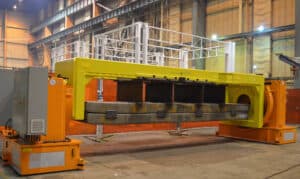
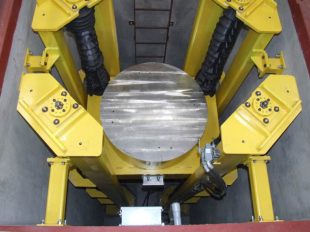
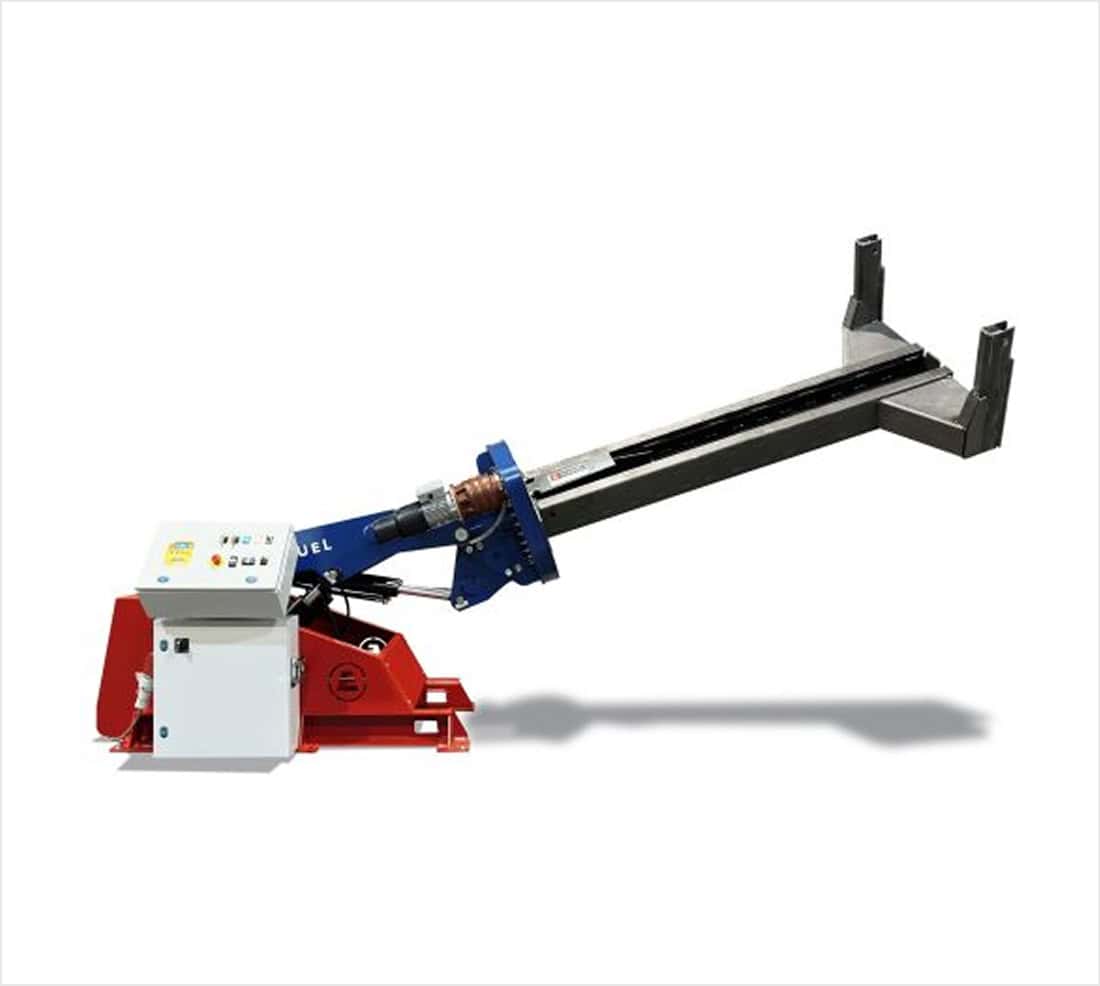
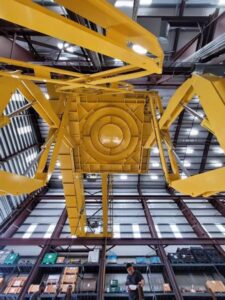
The concept of the smart factory relies on the interconnectivity of various technologies. This includes integrating material handling equipment, such as AGVs, four-post lifts, work positioners, turntables, and robotic arms, with Manufacturing Execution Systems (MES), Enterprise Resource Planning (ERP) systems, and Warehouse Management Systems (WMS). Internet of Things (IoT) sensors embedded in equipment provide real-time operational data, which is then processed via cloud platforms and AI algorithms. This interconnectedness allows for end-to-end visibility and control, ensuring that material movements are perfectly synchronized with production demands and inventory levels across the entire manufacturing operation.
The Role of Digital Twins in Simulating and Optimizing Assembly Material Flow
Digital twins, virtual replicas of physical assets and processes, are becoming invaluable tools for assembly material handling. By creating a dynamic digital model of the assembly line and its material flow, manufacturers can simulate various scenarios without impacting live operations. This allows for testing new layouts, evaluating the performance of different automation strategies, identifying potential congestion points, and optimizing material delivery routes. Digital twins enable proactive problem-solving and continuous process improvement, ensuring that the material handling system is as efficient and robust as possible before any physical changes are implemented.
Industry-Specific Applications and Customization
The application of advanced material handling innovations varies significantly across industries. In the aerospace sector, where high-value, large, and often complex components are assembled, precision and meticulous tracking are paramount. Automated systems ensure the safe and accurate delivery of critical parts, while robust traceability systems manage component lifecycles. In the automotive industry, high-volume production and rapid changeovers demand flexible and agile material handling. AGVs and AMRs can adapt to evolving line configurations, ensuring timely delivery of diverse sub-assemblies and components. For electronics manufacturing, the handling of delicate and small components requires high precision, often supported by specialized robotic pick-and-place systems and AS/RS for dense storage of small parts. These examples underscore the need for customization to meet the unique material handling challenges of each manufacturing sector, a trend that is particularly visible in hubs like Atlanta, a significant center for manufacturing and logistics in the United States.
Beyond Efficiency: Safety, Sustainability, and Resilience in Assembly MH
While efficiency remains a primary driver, the evolution of assembly material handling also brings significant advancements in safety, sustainability, and supply chain resilience.
Enhancing Safety on the Assembly Floor
Automated material handling systems drastically improve safety by reducing human exposure to hazardous environments and strenuous tasks. Robots and AGVs can handle heavy lifting, repetitive motions, and operations in potentially dangerous areas, thus mitigating the risk of musculoskeletal disorders (MSDs) and workplace injuries. In fact, ergonomics interventions in the manufacturing industry can reduce MSD risk factors by up to 59% and boost productivity by 25% [source: Research Output Journals, 2024]. Cobots, specifically designed for human collaboration, further enhance safety by employing advanced sensors to detect and react to human presence, ensuring a secure working environment for all personnel on the assembly line.
Sustainable Practices and Green Equipment in Assembly Material Handling
Sustainability is an increasingly important consideration. The shift towards electric-powered material handling equipment, including forklifts, AGVs, and automated systems, significantly reduces carbon emissions and improves air quality within facilities. Optimized routing algorithms, powered by AI, also contribute to sustainability by minimizing travel distances and energy consumption. Furthermore, precise inventory management facilitated by advanced systems helps reduce material waste by preventing obsolescence and spoilage. The adoption of greener technologies aligns with corporate social responsibility goals and can lead to long-term operational cost savings.
Building Resilient Assembly Supply Chains
Recent global events have underscored the critical importance of supply chain resilience. Innovations in assembly material handling contribute to this by creating more agile and responsive operations. Automated systems can quickly adapt to changes in production schedules or material sources, allowing manufacturers to pivot more effectively in response to disruptions. By enabling better inventory visibility and more efficient internal logistics, manufacturers can reduce their reliance on lengthy, vulnerable supply chains and enhance their capacity for domestic production and rapid response to market demands.
The Path Forward: Challenges, Implementation, and Future Outlook
While the benefits of advanced assembly material handling are clear, adoption involves navigating several challenges and strategic considerations.
Overcoming Integration Complexities for Assembly Lines
Integrating new automated material handling systems with existing legacy equipment and IT infrastructure can be a complex undertaking. Ensuring interoperability between different vendor systems and software platforms requires careful planning and robust IT support. Manufacturers must invest in standardized communication protocols and flexible integration strategies to create a truly cohesive smart factory environment. When considering a new material handling system for your assembly operation, companies like Handling Specialty Manufacturing Ltd. have decades of experience in producing turn-key assembly systems for multiple industries.
Justifying Investment and Measuring ROI for Assembly Material Handling
The initial investment in advanced material handling technology can be substantial. A clear business case supported by a thorough Return on Investment (ROI) analysis is crucial. Key metrics to consider include reductions in labor costs, improvements in throughput and cycle times, decreased error rates, enhanced safety, and increased asset utilization. Demonstrating tangible improvements in these areas will justify the capital expenditure and secure buy-in from stakeholders.
Staying Ahead: Key Industry Events and Future Directions
Keeping abreast of the latest innovations is vital. Industry events such as MODEX and Automate provide invaluable opportunities to witness cutting-edge material handling equipment, connect with experts, and explore emerging trends. Future directions will likely see increased integration of AI for predictive maintenance, greater collaboration between humans and robots, and more sophisticated autonomous systems that can handle increasingly complex tasks.
Conclusion: Assembling a Smarter Future in 2026
Recap of Key Innovations and Their Transformative Impact on Assembly Material Handling
The landscape of assembly material handling is undergoing a profound transformation, driven by automation, robotics, and intelligent technologies. From the dynamic navigation of AMRs and AGVs to the precise capabilities of work positioners, robotic arms and cobots, and the optimized storage offered by AS/RS, physical processes are becoming more efficient and less labor-intensive. The integration of AI and data analytics is providing the intelligence to optimize material flow, predict needs, and enable continuous improvement, turning data into strategic advantages. These innovations are not just about moving materials faster; they are about creating a more responsive, efficient, and precise assembly environment.
The Strategic Imperative for Assembly Manufacturers to Embrace These Trends in 2026
Embracing these trends is no longer optional but a strategic necessity for assembly factories. The ability to manage complex supply chains, adapt to rapid product evolution, and maintain operational agility is directly linked to the sophistication of a manufacturer’s material handling capabilities. Companies that invest in these innovations will unlock significant gains in productivity, reduce operational costs, enhance product quality, and build resilience against unforeseen disruptions. Ignoring these advancements risks falling behind competitors and compromising long-term viability.
Call to Action: Preparing Your Assembly Operations for the Future of Material Handling in 2026 and Beyond
The journey towards a smarter assembly operation begins with a clear understanding of current needs and a strategic vision for the future. Manufacturers should begin by auditing their existing material handling processes, identifying key bottlenecks and areas for improvement. Investing in pilot programs for automation technologies, focusing on specific pain points, can provide valuable insights and build internal expertise. Equally important is fostering a culture of continuous learning and investing in workforce development to equip employees with the skills needed to operate and manage these new systems. By proactively integrating advanced material handling solutions, assembly manufacturers can not only streamline their operations today but also build a robust, agile, and intelligent foundation for the future.
To discuss materia handling equipment in 2026, please contact our technical sales representatives.