Introduction: The Strategic Imperative of MRO in Advanced Manufacturing
Advanced manufacturing is defined by innovation, precision, and complex operational demands. Within this landscape, Maintenance, Repair, and Operations (MRO) plays a critical, yet often underestimated, role. The efficient management of MRO processes in Advance Manufacturing directly impacts asset availability, operational continuity, and overall profitability. While standard material handling solutions are prevalent in production environments, the unique challenges of MRO facilities necessitate a more specialized approach. This article explores how custom material handling strategies unlock significant efficiency gains and enhance safety in advanced manufacturing MRO.
The Strategic Imperative of MRO in Advanced Manufacturing
Defining MRO: Maintenance, Repair, and Operations / Overhaul
MRO, encompassing Maintenance, Repair, and Operations (or Overhaul), is the backbone of keeping complex industrial assets running at peak performance. It involves everything from routine upkeep and emergency repairs to the overhaul of critical components. Effective MRO practices are crucial to minimizing downtime, optimizing inventory levels, reducing operational costs, and streamlining overall asset management processes. The global MRO market size is substantial, underscoring its economic significance.
The Unique Demands of Advanced Manufacturing Environments
Advanced manufacturing environments, particularly those in sectors like aerospace, automotive, and power generation, deal with assets of immense value, size, and complexity. These can range from aircraft engines and entire aircraft sections to intricate turbine components and sophisticated electronic systems. Unlike the linear flow of a production line, MRO facilities manage a diverse and often unpredictable inflow of repairable assets, each with its own unique handling requirements and repair protocols.
The Bottleneck of Standard Material Handling in Specialized MRO
Standard material handling equipment, designed for consistent production runs, often struggles to meet the bespoke needs of MRO. The sheer scale, irregular shapes, and delicate nature of assets requiring repair present significant challenges. Without tailored solutions, MRO operations can become inefficient, costly, and prone to safety incidents. The percentage of workplace injuries caused by manual handling, which remains at 17%, highlights the ongoing need for safer, more ergonomic solutions.
Custom Material Handling as the Key to Unlocking Efficiency and Safety
Custom material handling is not merely an upgrade; it is a strategic imperative for advanced manufacturing MRO. By developing bespoke systems and equipment, organizations can overcome the inherent complexities of MRO, significantly improving operational efficiency, reducing turnaround times, and ensuring the highest levels of safety for personnel and expensive assets.

The Distinct Challenges of Material Handling in MRO Facilities
Handling Large, Complex, and Delicate Assets
The MRO sector frequently deals with assets that defy conventional handling. For instance, in Aerospace, moving an entire aircraft fuselage or a large engine requires specialized cradles, lifting systems, and precise maneuvering capabilities. Turbine blades, critical for power generation MRO, are often delicate and precisely balanced, demanding careful handling to prevent damage that could lead to premature failure. Standard forklifts or conveyors are often inadequate for these unique geometries and weight distributions.
The MRO Facility Environment: Beyond the Production Line
MRO facilities are distinct from production lines. They often feature diverse work zones—disassembly bays, precision cleaning stations, specialized repair areas, testing equipment, and complex testing rigs. These environments may have varying floor loads, limited headroom, or hazardous material zones. Material handling solutions must navigate these varied conditions, ensuring seamless movement of parts and assets without disrupting other critical operations. The inherent goal is to move raw materials through the production process and out to shipping, but in MRO, this involves intricate repair and overhaul steps.
Mitigating Risks: Worker Safety and Expensive Asset Damage
The handling of large, heavy, or irregularly shaped components inherently poses significant risks to worker safety. Musculoskeletal disorders (MSDs) are a major concern, with roughly 6 out of 10 leaders reporting downtime costs exceeding $250,000 annually due to such issues. Custom material handling solutions, incorporating ergonomic designs and automated assistance, can dramatically reduce the physical strain on workers and minimize the risk of accidents. Furthermore, the value of assets in MRO (e.g., a single aircraft engine can cost millions) makes preventing damage paramount. Mishandling can lead to extensive repair costs, extended downtime, and potentially compromise the integrity of safety-critical components.
Balancing Speed, Precision, and Regulatory Compliance
MRO operations must strike a delicate balance. Turnaround times are critical. Custom material handling systems are designed to meet these demands, ensuring assets are moved efficiently and safely while respecting the rigorous standards governing their repair and return to service.
Defining Custom Material Handling for MRO: A Tailored Approach
What Differentiates Custom Material Handling for MRO?
Custom material handling for MRO is defined by its bespoke nature, directly addressing the unique operational context. It moves beyond off-the-shelf solutions to engineer systems precisely tailored to the specific assets, workflows, and facility constraints of an MRO operation. This involves understanding the entire lifecycle of a repairable item, from its intake to its dispatch.
The Evolution of Material Handling Systems in Advanced Manufacturing
The broader material handling landscape has evolved significantly. In advanced manufacturing, automation and technology are central to progress. As of 2024, over 76 percent of global warehouse facilities implemented at least one automated handling system, a clear indicator of this trend. This evolution drives the need for customized integrations, especially in specialized MRO settings where standard automated solutions may not suffice. Material Handling Systems are becoming more intelligent, adaptable, and integrated with enterprise resource planning (ERP) and maintenance, repair, and overhaul (MRO) software.
Integrating Custom Tools and Fixtures for Enhanced MRO Operations
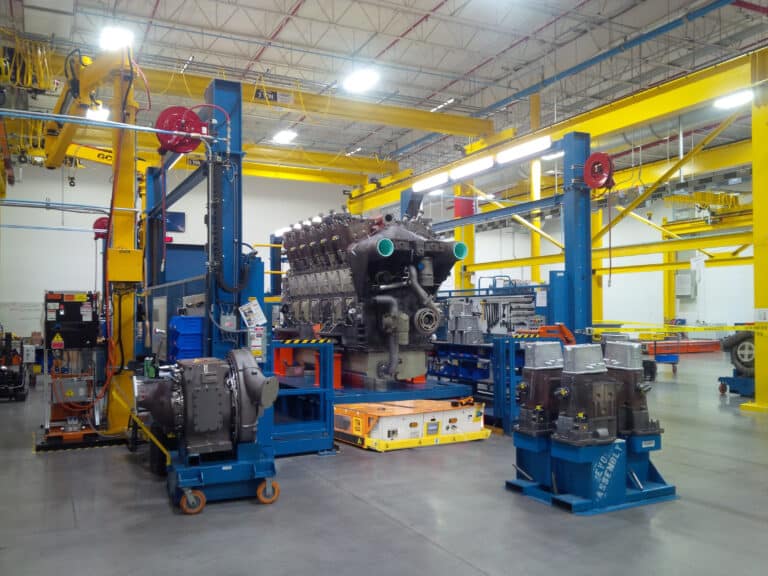
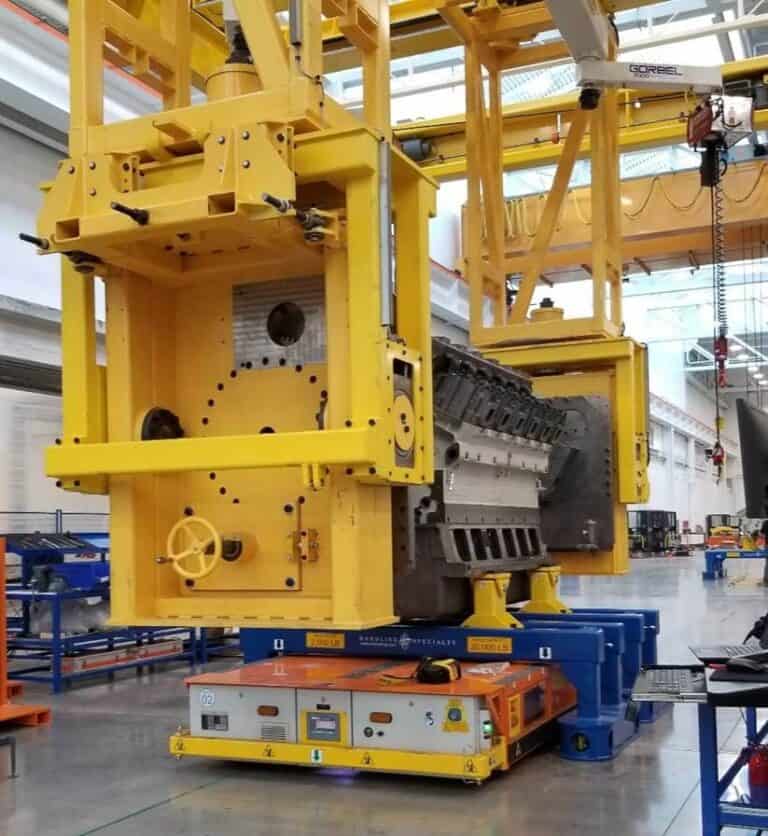
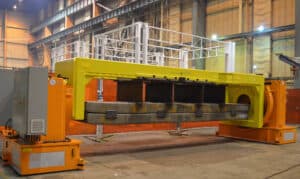
A cornerstone of custom material handling in MRO is the integration of specialized fixtures, and tooling devices. For instance, a custom fixture might be designed to securely hold an engine turbine for detailed inspection or repair, ensuring it remains stable and accessible. Similarly, tailored lifting devices can cradle specific aircraft components during disassembly and reassembly. These custom-integrated elements are crucial for precision tasks that standard material handling equipment cannot accommodate.
Custom Material Handling Throughout the MRO Lifecycle
Receiving and Initial Inspection of Repairable Assets
The MRO process begins with receiving incoming assets. Custom handling solutions here might involve specialized inspection stands, automated guided vehicles with specific platform accessories, or even robotic systems for initial condition assessment. This ensures the asset is safely offloaded and accurately positioned for the subsequent inspection phase, preventing any accidental damage upon arrival.
Disassembly
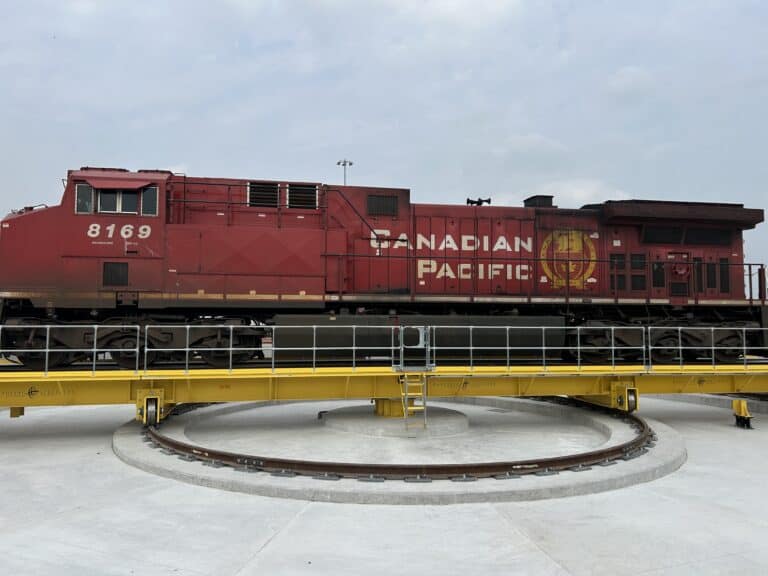
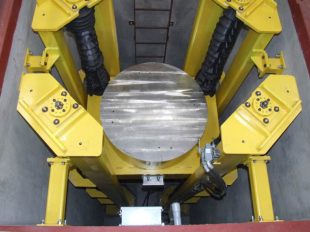
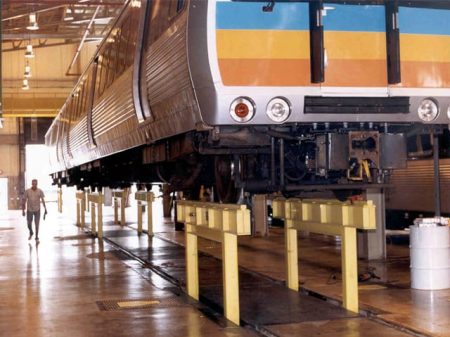
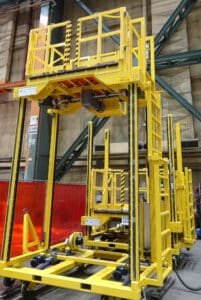
During disassembly, custom lifting devices and manipulation tools allow technicians to access and remove components safely and efficiently. These can include AGVs, Four post lifts, turntables, rotators, tilters and other custom MHE.
Repair, Rework, and Inspection Bays
MRO facilities often have dedicated bays for specific tasks. Custom lifts and positioning equipment allow technicians to work on assets at optimal ergonomic heights and angles, crucial for intricate repairs. For precision inspections, specialized lighting and imaging systems integrated with custom handling mechanisms ensure complete visibility and accurate data capture.
Reassembly, Testing, and Final Quality Checks
Reassembling complex assets requires precise placement of components. Custom fixtures and automated positioning systems guide parts into place, reducing the risk of misalignment. Testing procedures may involve custom-built rigs that securely hold the asset while it undergoes performance evaluations, with integrated handling ensuring safe connection and disconnection.
Key Custom Material Handling Technologies for Advanced MRO
Custom Lifts and Multi-Stage Lifts
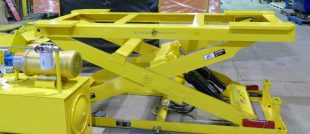
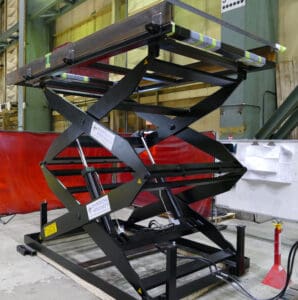
Custom lifts are indispensable for MRO. These are not mere platforms but engineered solutions designed to accommodate the specific weight, shape, and size of assets. Multi-stage lifts allow for incremental height adjustments, providing optimal access for technicians working on large components like aircraft sections or heavy machinery.
Precision Automated Guided Vehicles (AGVs) and Robotics
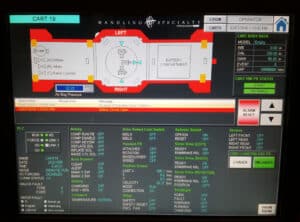
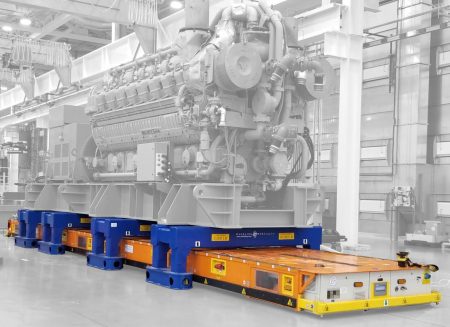
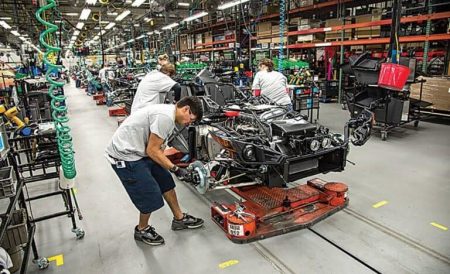
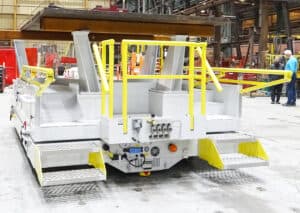
Automated Guided Vehicles (AGVs) and robotics offer transformative potential for MRO. When customized, AGVs can navigate complex facility layouts, transporting engines or large sub-assemblies with precision. Collaborative robots can assist technicians with lifting, positioning, or holding components during delicate repair tasks, enhancing both safety equipment integration and efficiency.
Custom Tools, Fixtures, and Workholding Devices
As mentioned, custom tools and fixtures are often the “hands” of the custom material handling system in MRO. These are designed for specific tasks, such as holding a complex gearbox assembly for inspection, precisely aligning a wing strut for repair, or securing a critical engine component during a specialized machining process.
Unlocking Efficiency and Cost Savings with Custom MRO Handling
Reducing Downtime and Accelerating Turnaround Times
By streamlining material flow and minimizing manual effort, custom handling significantly reduces the time assets spend in the MRO facility. This directly translates to faster turnaround times, getting critical equipment back into operation and minimizing costly downtime.
Prioritizing Safety in MRO
Protecting Workers and Safeguarding Assets
Custom material handling solutions are inherently designed with safety in mind. They reduce manual lifting, repetitive motions, and the risk of dropping heavy or delicate items. This proactive approach not only prevents workplace injuries, such as MSDs, but also ensures the protection of immensely valuable MRO assets from damage, safeguarding significant financial investments.
Ensuring Regulatory Compliance
Many advanced manufacturing sectors, especially Aerospace, operate under strict regulatory frameworks. Custom handling systems can be designed to comply with these regulations, ensuring that all movements, positioning, and storage of components adhere to required standards, which is vital for maintaining airworthiness certifications for aircraft and engines.
Conclusion
In the demanding world of advanced manufacturing MRO, standard material handling approaches are often insufficient. The inherent complexity, scale, and value of assets, coupled with stringent safety and regulatory requirements, necessitate a tailored strategy. Custom material handling, leveraging specialized technology, automation, and carefully engineered material handling equipment, offers a powerful solution. By meticulously designing systems that support the entire MRO lifecycle—from receiving to return-to-service—organizations can unlock unprecedented levels of efficiency, dramatically reduce operational costs, and ensure the paramount safety of their personnel and irreplaceable assets. Investing in custom solutions is not just about improving logistics; it’s about enhancing the strategic capability and profitability of MRO operations in the advanced manufacturing ecosystem.
To learn more, contact our technical sales team.