Revolutionize Your Automotive Line: Heavy-Duty AGVs with Integrated Custom Tooling for Peak Efficiency
Introduction: Navigating the Future of Automotive Production
In an industry defined by relentless innovation and razor-thin margins, automotive manufacturers are in a constant race for greater efficiency. The global automated guided vehicle market, projected to surge from USD 4.1 billion in 2025 to USD 13.3 billion by 2035, signals a seismic shift in production strategy. Traditional material handling methods are no longer sufficient to meet modern demands. The future of automotive production lies in intelligent automation that is not only powerful but also precisely tailored to the unique challenges of the assembly line.
The Demands of Modern Automotive Manufacturing
Today’s automotive manufacturing facilities face immense pressure. The transition to electric vehicles, increasing model customization, and the need for faster production cycles create a complex operational environment. This complexity demands flexible, scalable, and highly efficient automation technology to manage the conveyance of heavy, and often delicate, components.
The Limitations of Traditional Material Handling
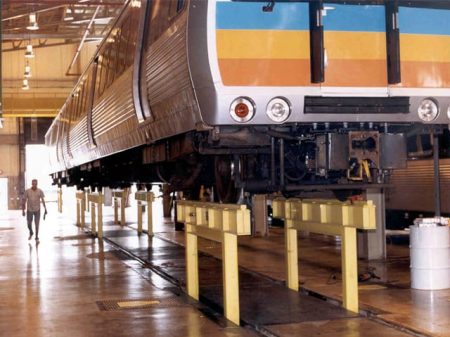
Fixed infrastructure creates bottlenecks and limits production flexibility. Overhead cranes and manual forklifts introduce safety risks, require significant floor space, and can disrupt workflow. These legacy systems struggle to keep pace with the dynamic, high-throughput requirements of modern automotive assembly, hindering efforts to reduce cycle time and boost productivity.
Introducing the Game-Changer: Heavy-Duty AGVs with Integrated Custom Tooling
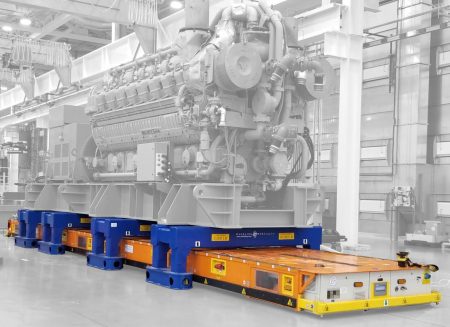
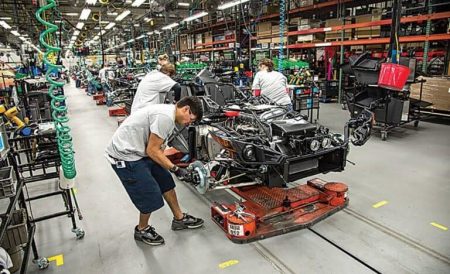
The solution is not just automation, but specialized automation. Heavy-duty Automated Guided Vehicles (AGVs) equipped with integrated custom tooling represent a paradigm shift. These intelligent platforms combine immense load capacity with bespoke fixtures, creating mobile workstations that are engineered to solve specific production challenges, enhance ergonomics, and unlock unprecedented levels of efficiency.

The Evolving Automotive Landscape: Challenges for Heavy Load Manufacturing
The automotive industry, which already constitutes 35.43% of the AGV market share, is navigating a period of profound transformation. This evolution presents significant hurdles for heavy load manufacturing and material handling.
The Weight of Progress: Handling Heavy Components in Modern Vehicles
As vehicles incorporate larger battery packs, complex sub-assemblies, and reinforced frames, the sheer weight of components has increased. Safely and precisely moving these heavy loads through various assembly stages requires robust conveyance solutions that go far beyond the capabilities of standard guided vehicles or manual processes.
Pressure on Productivity, Cycle Time, and Throughput
Global competition demands that manufacturers maximize output without compromising quality. Every second of cycle time is critical. Inefficiencies in moving parts from one station to the next can cause delays that ripple through the entire production line, impacting overall throughput and profitability.
The Need for Precision, Safety, and Ergonomics
Assembling modern vehicles requires millimeter-level precision. At the same time, ensuring operator safety and improving ergonomics are paramount. Manually handling heavy or awkwardly shaped components increases the risk of injury and product damage, making advanced automation not just a productivity tool but a safety imperative.
Bridging the Gap: Where Traditional Systems Fall Short
Traditional systems lack the adaptability required for modern mixed-model assembly lines. They cannot easily accommodate changes in vehicle design or production flow. This rigidity creates a significant gap between the demands of the market and the capabilities of the factory floor.
Beyond Generic AGVs: The Automotive-Specific Need for Integrated Solutions
While AGVs are a foundational element of modern automation, a one-size-fits-all approach is insufficient for the automotive sector. The true revolution comes from integrating custom solutions directly onto these powerful platforms.
The Foundational Benefits of Automated Guided Vehicles (AGVs)
AGVs provide a flexible, scalable alternative to fixed, in-floor conveyance. They optimize floor space, reduce manual labor dependency, and enhance operational safety. These core benefits lay the groundwork for a more agile and responsive manufacturing environment.
Why Standard AGV Platforms Aren’t Enough for Heavy Automotive Tasks
Standard AGV platforms are designed for generic transport. They can move a pallet from A to B but lack the specialized functionality to interact with complex automotive components, present parts ergonomically to an operator, or perform precise positioning for robotic assembly.
Identifying the Critical Need: Integrated Handling for Bespoke Challenges
The critical need is for a system that combines the mobility of an AGV with the functionality of a custom fixture. This integration transforms the vehicle from a simple transport device into an active participant in the assembly process, directly addressing the unique material handling challenges of each production stage.
The Core Innovation: Heavy-Duty AGVs with Integrated Custom Tooling
The fusion of a robust AGV chassis with application-specific tooling is where peak efficiency is born. This synergy creates a purpose-built solution that streamlines complex tasks, reduces manual intervention, and accelerates production.
Defining Integrated Custom Tooling for Automotive AGVs
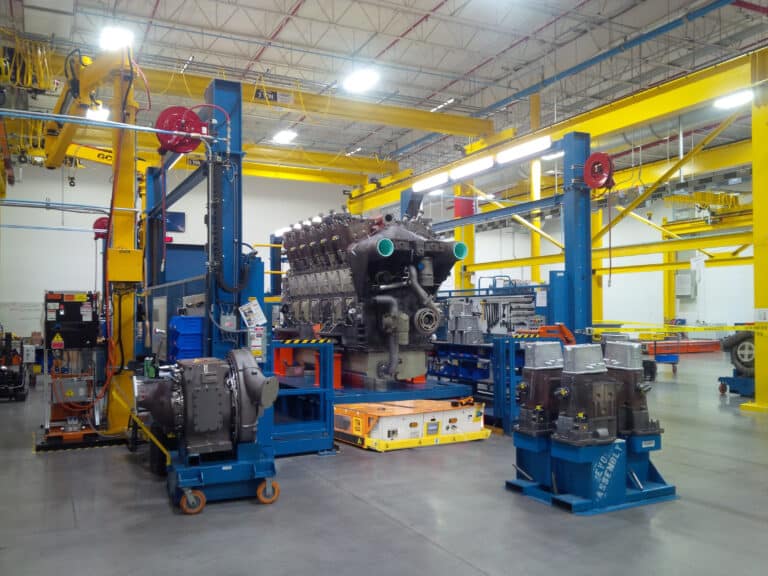
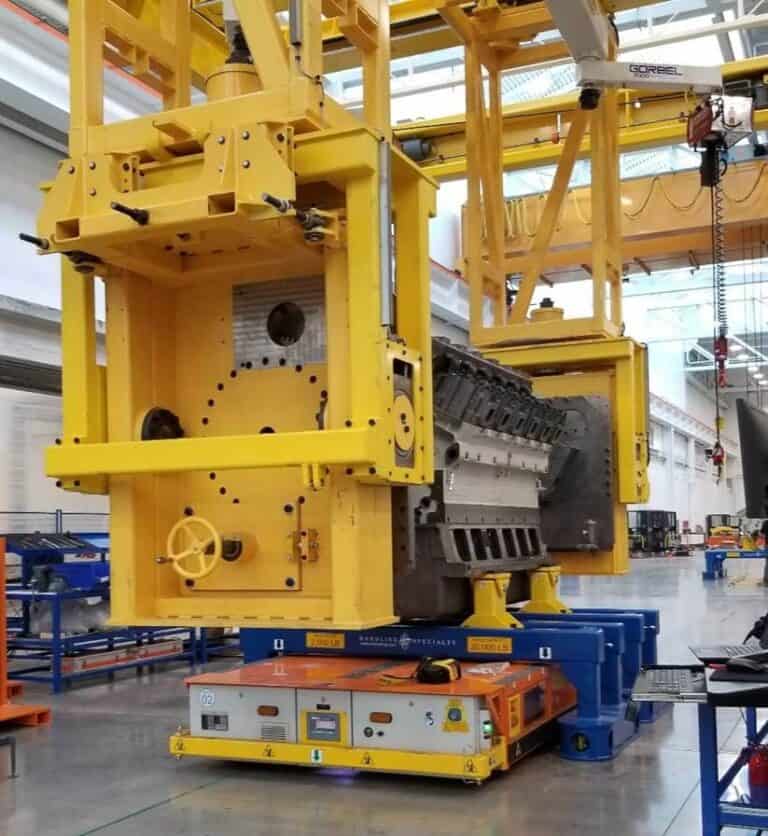
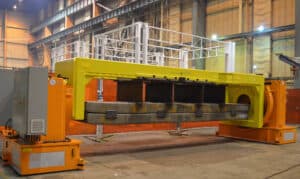
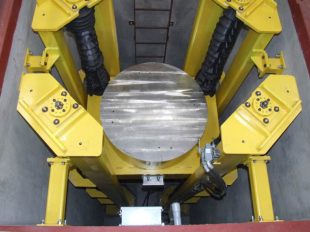
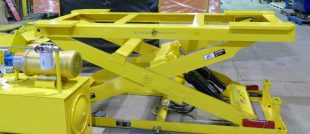
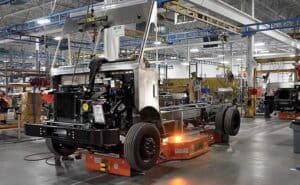
Integrated custom tooling refers to fixtures, lifts, turntables, or robotic end-effectors built directly onto the AGV platform. With the tooling market projected to grow steadily, these custom solutions are designed to securely hold, lift, rotate, and position specific automotive parts like chassis, powertrains, or door panels.
Precision Positioning for Critical Automotive Operations
Equipped with advanced navigation using LIDAR and other scanners, these AGVs can position heavy components with extreme accuracy. This precision is essential for seamless handoffs to robotic cells or for aligning large parts during final assembly, minimizing errors and rework.
Automotive Use Cases: Real-World Applications of Custom Tooling
Imagine an AGV with a custom lift fixture delivering a complete EV battery pack directly to the chassis, raising it into the perfect position for installation. Another might feature rotating turntables that present a sub-assembly to an operator at the optimal ergonomic height and angle, reducing physical strain.
The “Integrated” Advantage: Seamless Operation and Communication
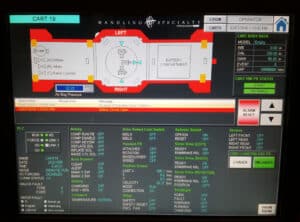
The advantage of an “integrated” system is seamless communication between the AGV and its tooling. The vehicle’s control system manages both movement and tool function, allowing for complex, synchronized actions that can be orchestrated through high-level Warehouse Management Systems (WMS).
Conclusion: Driving the Future of Automotive Assembly
The path to peak efficiency in automotive manufacturing is paved with intelligent, specialized automation. Heavy-duty AGVs are the foundation, but integrated custom tooling is the revolutionary element that transforms the assembly line. By combining immense load capacity with bespoke, application-specific fixtures, manufacturers can directly address their most pressing challenges: reducing cycle time, enhancing safety and ergonomics, and maximizing productivity. This integrated approach moves beyond simple material handling, creating dynamic, mobile workstations that actively participate in the value-add process. For automotive leaders looking to build the factory of the future, adopting this synergistic technology isn’t just an upgrade—it’s a strategic imperative for competitive survival and market leadership.
Contact our technical sales team to enquire about Handling Specialty’s “from Design to Assembly line” philosophy when integrating AGV systems into your Automotive manufacturing processes.