Custom Material Handling Solutions for Iron & Steel: Maximizing Efficiency & Safety
The iron and steel industry operates at the confluence of immense forces: extreme temperatures, colossal weights, and relentless operational cycles. In this tough environment, the efficient and safe movement of materials isn’t just a logistical consideration; it’s a foundational pillar of profitability and operational integrity. While standard material handling equipment might suffice in less rigorous sectors, the unique challenges of steel manufacturing—from molten metal transfer to the precise positioning of structural components—necessitate solutions engineered with precision and robustness.
The Unique Landscape of Iron & Steel Material Handling
The intricacies of iron and steel production present a distinct set of material handling challenges that go far beyond typical manufacturing operations. Understanding these specific environmental and operational demands is the first step toward appreciating the necessity of tailored solutions.
In any manufacturing setting, seamless material flow is directly correlated with output and profitability. For the iron and steel sector, this principle is amplified. Inefficient movement of raw materials, work-in-progress, or finished products can lead to significant bottlenecks, increasing cycle times and impacting the ability to meet production targets. The steel industry continues to grapple with persistent logistics challenges, which underscores the critical need for robust internal management, where custom material handling plays a vital role in maintaining operational fluidity even amidst external disruptions. Optimized material flow ensures that processes like metal forming, welding, and finishing can proceed without costly delays, directly contributing to higher productivity and overall plant capacity.
Core Challenges: Extreme Heat, Heavy Loads, Abrasive Conditions, and Complex Workflows
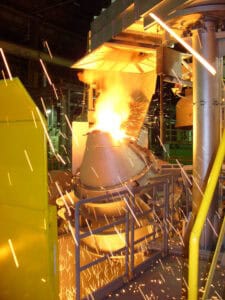
The operational environment within an iron and steel facility, or melt shop, is exceptionally challenging. Equipment must regularly contend with temperatures that can exceed 1000°C (1832°F) during processes like casting and hot rolling. Simultaneously, materials such as large steel structurals, thick steel plate, and dense aluminum ingots demand equipment with extremely high load capacities. The pervasive presence of abrasive dust and particulate matter from processes like grinding and cutting necessitates materials and designs that resist wear and corrosion. Furthermore, the complex workflows, involving multiple stages of metal forming, punching, and finishing, require material handling systems that can integrate seamlessly into these intricate production lines, facilitating precise movements and minimizing the risk of damage to valuable components.
Defining Custom Material Handling: Precision for Industry-Specific Needs
Custom material handling is not merely about modifying existing designs; it is about holistic engineering that addresses the unique requirements of a specific industry or application. For iron and steel, this means designing systems that can reliably operate in high-temperature zones, handle loads far exceeding standard capacities, resist abrasive elements, and integrate flawlessly with specialized manufacturing processes such as roll lines, punch presses, and powder coating lines. It involves a deep understanding of the materials being handled—be it steel in its various forms, or aluminum—and the environmental stresses they are subjected to.
Durability and Performance: Selecting Materials for Mill Duty and Longevity (e.g., Prime Steel, structural shapes, steel plate)
The selection of materials is paramount in designing for the harsh conditions of iron and steel mills. Equipment must be constructed from robust materials capable of withstanding extreme temperatures, heavy loads, and abrasive environments. This often involves utilizing high-grade steel alloys, specialized structural shapes, and thick steel plate designed for demanding “mill duty” applications.
High-Temperature & Molten Metal Handling Systems
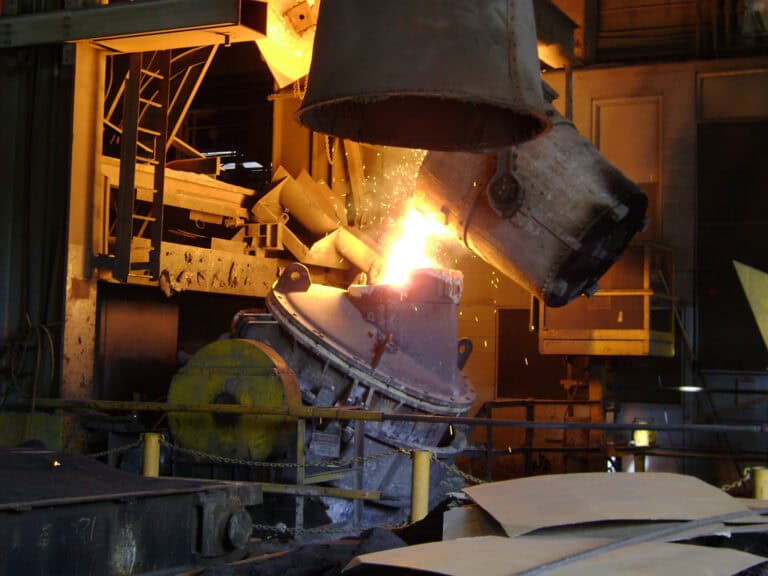
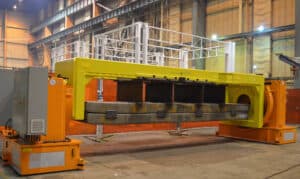
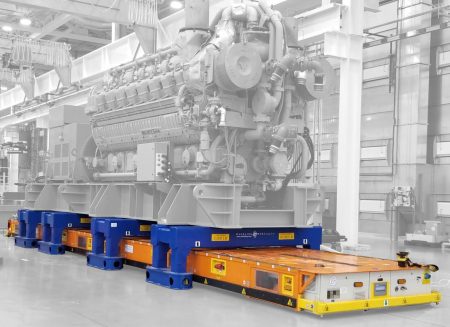
Handling molten metal and materials at extreme temperatures requires specialized engineering to prevent catastrophic failure and ensure operator safety. Custom solutions include ladles, Charge buckets, ladle cars, tundish handling systems, and heat-resistant transporters designed to move crucibles and ingots with exceptional reliability. These systems often incorporate advanced thermal shielding, high-temperature lubricants, and specialized cooling mechanisms to protect critical components from heat damage. For processes involving welding in high-heat areas, specialized manipulators and automated welding systems, integrated with robust material handling, are essential to maintain efficiency and safety.
Optimized Storage and Inventory Management
Effective inventory management is vital for controlling costs and ensuring the availability of materials. Custom racking systems, automated storage and retrieval systems (AS/RS), and specialized staging equipment, such as AGVs, are designed to accommodate the unique dimensions and weights of steel structurals, sheet metal coils, and aluminum profiles. These solutions optimize warehouse space utilization, improve accessibility to materials, and enhance inventory tracking accuracy. By providing organized and secure storage, custom systems reduce the time spent searching for materials and minimize the risk of damage during storage and retrieval, contributing to overall operational efficiency.
Streamlining Production Workflows and Reducing Cycle Times Across Manufacturing Processes
Custom material handling systems are engineered to eliminate bottlenecks and optimize the flow of materials through intricate manufacturing processes. By precisely integrating with operations like metal forming, punch lines, and roll lines, these systems ensure that materials are transferred swiftly and accurately between workstations. This streamlining directly reduces cycle times, allowing production lines to operate at peak efficiency. For example, automated Transporters can deliver raw materials to a punch press with consistent timing, ensuring the machine is never idle due to material delays, thereby enhancing overall manufacturing productivity.
Elevating Safety Standards with Custom Material Handling Solutions
In an industry with inherent risks, custom material handling plays a pivotal role in creating a safer working environment, protecting both personnel and valuable assets.
Proactive Hazard Mitigation: Preventing Dropped Loads, Reducing Operator Fatigue, and Managing Heat Exposure
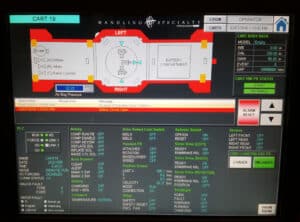
Custom material handling systems are designed with safety as a primary consideration. Advanced locking mechanisms, redundant safety systems, and load-sensing technology help prevent dropped loads, a major cause of accidents. Ergonomically designed controls and automated movement reduce operator fatigue, which is a significant factor in human error. For environments with extreme heat, custom solutions can include insulated cabs, heat-resistant materials, and remote operation capabilities to minimize personnel exposure to dangerous temperatures, thereby significantly lowering the risk of heat-related injuries. The manufacturing industry saw 355 workplace fatalities in 2024, with ‘contact incidents’ accounting for the majority. [Bureau of Labor Statistics, 2026] This statistic underscores the critical need for improved safety in manufacturing, directly supporting the role of custom material handling in reducing dangerous human-machine interactions.
The Tangible ROI of Investing in Custom Material Handling
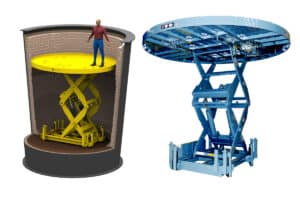
The decision to invest in custom material handling solutions for iron and steel operations is a strategic one, yielding significant financial and operational returns over the long term. The upfront investment in custom solutions often leads to substantial long-term cost savings. By proactively mitigating safety risks and preventing accidents, companies can drastically reduce costs associated with worker’s compensation claims, medical expenses, and lost workdays. This improved safety record can also translate into lower insurance premiums. Furthermore, robustly built custom equipment designed for mill duty lasts longer than standard alternatives, reducing the frequency of costly replacements and repairs, and thereby lowering overall maintenance expenditures and extending the operational lifespan of critical assets.
Future-Proofing Your Iron & Steel Operations Through Adaptable Solutions
The iron and steel industry is not static; it evolves with new technologies, changing market demands, and stricter regulations. Custom material handling solutions can be designed with an eye toward future adaptability. This might involve modular designs that can be reconfigured for different product lines or incorporating advanced control systems that can be upgraded as technology progresses. By investing in solutions that are built for longevity and can be adapted to future needs, iron and steel manufacturers can future-proof their operations, ensuring continued efficiency and competitiveness in a dynamic global market.
Partnering for Success: Choosing the Right Custom Material Handling Provider
Selecting the right partner for custom material handling solutions is as crucial as the engineering itself. A provider’s expertise, fabrication capabilities, and commitment to service can significantly impact the success of your investment.
Look for providers like Handling Specialty and Whiting Equipment Canada, with a proven track record specifically within the iron and steel industry. Their experience in designing, fabricating, and installing equipment for high-temperature, heavy-load, and abrasive environments is invaluable. Strong engineering teams capable of collaborative design, along with comprehensive fabrication and millwright services, ensure a seamless process from concept to implementation. A provider committed to ongoing customer support, warranties, and responsive service will ensure your custom solutions continue to perform optimally throughout their lifecycle. Choosing a partner that understands the unique demands of your operation ensures that the implemented solutions deliver maximum efficiency and safety.
Conclusion
In the demanding and unforgiving environment of iron and steel production, the limitations of standard equipment are undeniable. Custom material handling solutions are not merely an upgrade; they are an essential strategic investment for any facility aiming to maximize efficiency, enhance safety, and maintain a competitive edge. From the molten heart of the furnace to the precise placement of finished materials, tailored engineering addresses the unique challenges of extreme temperatures, colossal weights, and abrasive conditions. By embracing “Enginuity”—the fusion of expert engineering and deep industry understanding—and investing in specialized, robust solutions, iron and steel manufacturers can streamline workflows, boost productivity, ensure the well-being of their workforce, and achieve significant long-term cost savings. The journey toward operational excellence in the iron and steel sector is paved with intelligently designed material handling systems, proving that precision, durability, and safety are not optional, but imperative.
Looking to upgrade or build a steel mill? Contact our technical sales team for a free consultation.