
Material Flow Analysis in Manufacturing Systems
Material Flow Analysis: Optimize Your Manufacturing Efficiency
The modern manufacturing landscape, understanding and optimizing the movement of materials, from the moment raw materials enter the facility to the shipment of finished goods, is no longer a mere operational consideration but a strategic necessity. This article delves into the critical practice of Material Flow Analysis (MFA), while demonstrating how meticulous mapping, precise measurement, and strategic elimination of inefficiencies can transform manufacturing operations.
The Imperative for Efficiency: Why Material Flow Matters
The sheer volume and velocity of materials moving through a factory directly impact operational costs, production cycle times, and overall throughput. When material flow is suboptimal, it leads to increased inventory holding costs, excessive transportation distances, unnecessary material handling, and significant production delays. These inefficiencies not only erode profit margins but also contribute to substantial waste in terms of time, energy, and resources. A well-managed material flow system is foundational to achieving operational excellence, ensuring that materials are in the right place, at the right time, and in the right condition to support seamless production processes.
What is Material Flow Analysis?
A ‘spaghetti diagram’ visualizes an unoptimized material flow, highlighting the excessive travel, delays, and bottlenecks that Material Flow Analysis (MFA) is designed to identify.
Material Flow Analysis (MFA) is a systematic methodology used to understand, document, and evaluate the movement of materials within a manufacturing facility or a supply chain. It involves mapping out every stage of a material’s journey. The primary goal of MFA is to identify and quantify inefficiencies such as unnecessary movements, excessive travel distances, prolonged storage times, and bottlenecks that hinder smooth and cost-effective operations. By gaining a clear, data-driven picture of material flow, organizations can pinpoint areas for improvement, reduce waste, and optimize resource utilization, thereby enhancing overall efficiency and material flow management.
Our Approach: A Real-World Factory Deep-Dive for Actionable Insights
While theoretical discussions about MFA are abundant, their practical application can often seem abstract. To bridge this gap, this article adopts a real-world factory deep-dive approach. We will explore a representative manufacturing scenario, dissecting the material flow from receiving to shipping. This deep dive will not only illustrate the principles of MFA but also provide tangible examples of how to map, measure, and ultimately eliminate inefficiencies. By immersing ourselves in a simulated factory environment, we aim to provide actionable insights that manufacturers can readily adapt and apply to their own operations, fostering a deeper understanding of how MFA translates into real-world improvements.

Key Metrics to Track
The first critical step in any Material Flow Analysis is meticulous mapping of the material’s journey. This process transforms abstract movements into tangible, visual representations, laying the groundwork for identifying specific areas of inefficiency.
Introducing the Manufacturing Environment: A Representative Factory Scenario
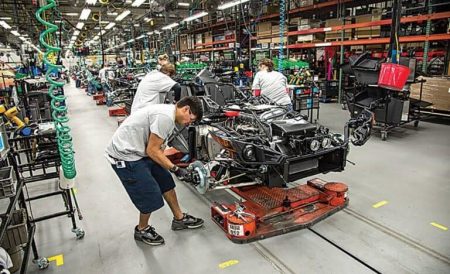
To illustrate the practical application of MFA, let us consider a hypothetical yet representative manufacturing facility. This factory produces Aerospace Engines and relies on a complex supply chain for its raw materials. It receives components from multiple suppliers, stores them in a central warehouse, and then stages them for assembly on various production lines. Finished engines are then moved to a quality control area before being tested and packaged for shipment. The factory operates with a focus on high-quality production but has recently experienced increasing lead times and higher-than-expected operational costs, signaling potential issues within its material flow.
The Art of Data Collection: Uncovering Every Movement
Effective mapping begins with comprehensive data collection. This involves observing and documenting every significant movement of materials. For our representative factory, this means tracking raw materials from the receiving dock, through inspection, into the warehouse for storage, out of the warehouse to the assembly lines, between different assembly stages and work cells, to quality control, and finally, testing, and to the shipping dock. Data points to capture include:
Material type and quantity: What is being moved?
Origin and destination: Where does it come from, and where is it going?
Movement method: Pallet jack, forklift, AGV, MGV, conveyor, hand-carry.
Distance traveled: The physical path taken.
Time taken: Duration of transport, wait times.
Storage locations and durations: How long materials spend in various holding areas.
This data can be gathered through direct observation, time studies, interviews with personnel, and by reviewing existing production schedules and logistics records. The goal is to create a complete picture of the production process.
Tools & Software Used
Once data is collected, visualization tools are essential for making the material flow understandable. For our factory, several tools can be employed:
Value Stream Mapping (VSM): This Lean tool provides a high-level overview of the entire material and information flow, highlighting value-adding versus non-value-adding steps. It visually depicts process steps, lead times, and inventory levels.
Process Flow Diagrams: Detailed diagrams illustrating the sequence of operations and decision points within the production process.
Sankey Diagrams: These charts effectively show the magnitude of material or energy flow between different points. They are excellent for visualizing the distribution of materials and identifying where the bulk of transportation occurs and where waste accumulates.
Facility Layout Maps: Overlaying material flow paths onto the actual factory floor plan to reveal spatial inefficiencies, such as crisscrossing paths or excessively long travel routes.
By using these tools, we can transform raw data into insightful visual maps that clearly outline the in-house material flows, revealing not only the intended paths but also the unintended detours and delays.
Measuring Inefficiencies: Data-Driven Insights and Anomaly Detection
With the material flow mapped, the next critical phase is to measure the inefficiencies embedded within these journeys. This quantitative approach allows for objective identification of problems and provides a baseline for improvement.
Quantifying the Flow: Key Metrics and Indicators
To effectively measure inefficiencies, we need to define and track key performance indicators (KPIs). For our factory, relevant metrics derived from the MFA would include:
Transportation Intensity: The ratio of total material travel distance to the value added by production. High intensity indicates excessive movement.
Cycle Time & Identifying Bottlenecks: The total time from the start of a process to its completion, including processing, wait, and travel times. Long cycle times often point to bottlenecks or delays.
Inventory Levels: Quantifying work-in-progress (WIP) and finished goods inventory at various stages. Excessive inventory signifies poor flow and potential storage inefficiencies.
Material Handling Costs: The cost associated with moving, lifting, and storing materials, often a significant but sometimes overlooked expense. This is where Automated Guided Vehicles assist in safety and efficiency.
Waste Quantification: Measuring the volume and type of scrap, rework, and discarded materials generated due to inefficient flow or handling. In 2023, while only 4% of the manufacturing sectors’ waste generated was released into the environment, the majority managed through treatment, energy recovery, and recycling, highlights the ongoing challenge of waste generation at its source US EPA, 2025.
These metrics provide a data-driven foundation for understanding the true cost of current material flow practices.
Pinpointing Bottlenecks: Where Flow Stalls
Bottlenecks are points in the production process where the flow of materials is constrained, leading to a slowdown or stoppage of operations. MFA is instrumental in identifying these critical choke points. In our factory scenario, a bottleneck might appear at the receiving dock due to insufficient unloading capacity, at a specific assembly station that cannot keep pace with upstream processes, or at the quality control area if it becomes overwhelmed. Using the collected data and visual maps, we can pinpoint these areas by observing:
Accumulations of WIP inventory before a particular station.
Excessive wait times for materials at a processing step.
Frequent disruptions or idle time at downstream operations waiting for input.
High stress or overload on operators at a specific process step.
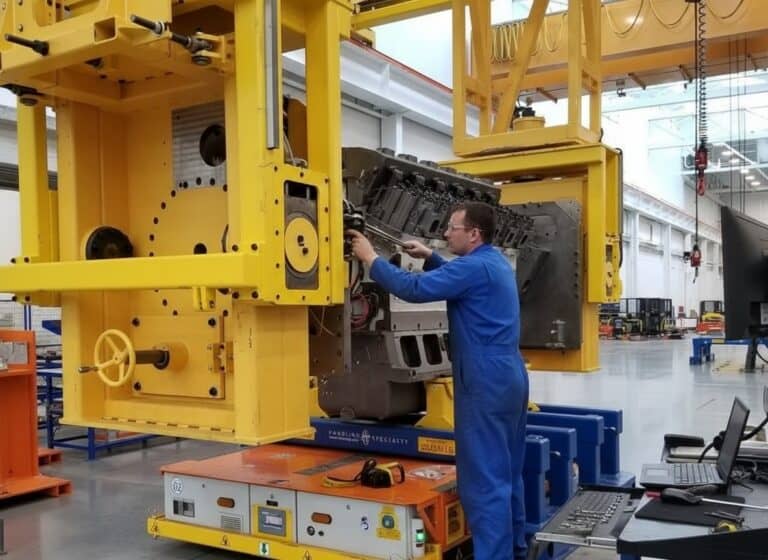
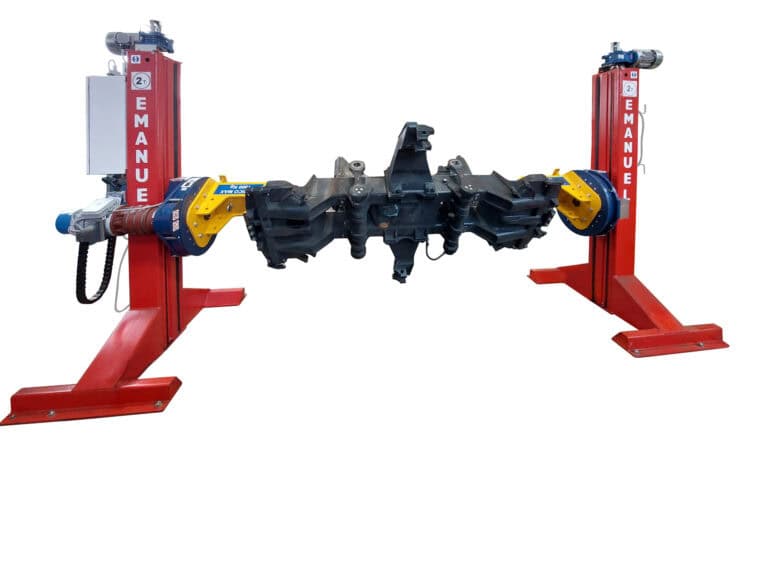
Identifying these bottlenecks is crucial for directing improvement efforts effectively. When taking action on these items, remember to search out OEMs with a broad scope of custom material handling equipment knowledge and experience. An OEM like Handling Specialty Manufacturing Ltd. Can build out a turnkey solution for your assembly, MRO, and manufacturing facilities.
Optimization Techniques
Modern technology significantly enhances the precision and efficiency of MFA. For our representative factory, implementing solutions like:
Automated Data Collection Systems: Utilizing RFID tags, barcode scanners, and IoT sensors attached to materials or containers can automatically track their location, movement, and status in real-time.
Warehouse Management Systems (WMS) and Manufacturing Execution Systems (MES): These software platforms provide valuable data on inventory levels, material movement within the warehouse, and production progress, offering insights into material flow patterns.
Simulation Software: Advanced tools can simulate different material flow scenarios and operational changes, allowing manufacturers to test potential solutions and predict their impact before physical implementation.
Data Analytics Platforms: These platforms can process large volumes of collected data, identify trends, anomalies, and correlations that might not be apparent through manual analysis, and assist in material flow cost accounting.
Approximately 95% of manufacturers were either implementing or assessing smart manufacturing technologies in April 2024, an increase from 84% in 2023, underscoring the growing trend towards data-driven optimization.
Eliminating Inefficiencies: Crafting and Implementing Strategic Solutions
Once inefficiencies are mapped and measured, the focus shifts to developing and implementing strategic solutions. This is where MFA translates into tangible operational improvements and cost savings.
Optimizing Layout and Infrastructure
A fundamental aspect of improving material flow is optimizing the physical layout of the facility. For our factory, this might involve:
Reducing Travel Distances: Rearranging workstations and departments to minimize the distance raw materials, WIP, and finished goods must travel. This could involve co-locating frequently interacting processes or creating product-focused assembly cells.
Improving Warehouse Layout: Designing the warehouse for efficient access and retrieval, ensuring logical placement of frequently used items and clear pathways.
Streamlining Storage: Reducing the number and size of temporary storage locations on the production floor, which often act as buffers and can obscure true material flow issues.
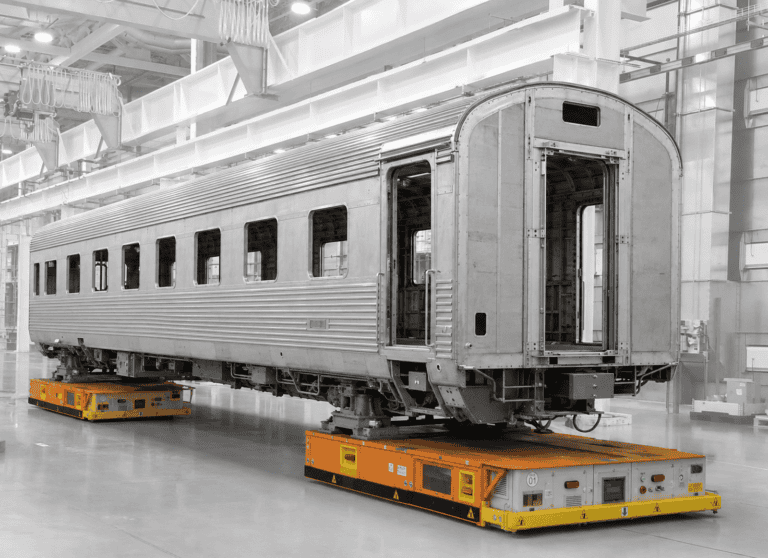
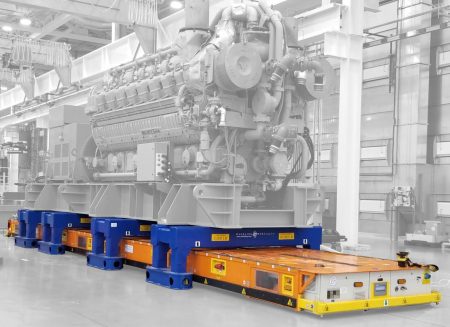
Enhancing Material Handling: Selecting appropriate material handling equipment (e.g., automated guided vehicles, optimized conveyor systems) that matches the flow and volume requirements, reducing manual effort and potential for damage.
Implementing Lean Manufacturing Principles
Lean Manufacturing principles are highly complementary to MFA. Applying these principles can directly address many identified inefficiencies:
Just-In-Time (JIT) Delivery: Reducing the need for large inventory buffers by having materials arrive precisely when needed for production.
5S Methodology (Sort, Set in Order, Shine, Standardize, Sustain): Creating a clean, organized, and efficient workplace reduces wasted time searching for materials and tools, improving access and flow.
Kanban Systems: Visual signaling systems that control the flow of materials, ensuring that work is pulled through the system only as demand requires, preventing overproduction and excessive WIP.
Continuous Improvement (Kaizen): Fostering a culture where employees are empowered to identify and implement small, incremental improvements to material flow and processes continuously.
Addressing Specific Inefficiencies Identified in the Factory Deep-Dive
In our factory deep-dive, let’s assume we identified a few key inefficiencies:
Excessive travel for frequently used components: Components used across multiple assembly lines are stored in a single, distant section of the warehouse, leading to long and frequent trips.
Congestion at the quality control station: Materials arrive in batches that overwhelm the QC inspectors, causing delays and backups.
Unnecessary material staging: WIP materials are frequently moved to temporary staging areas before the next production step, incurring extra handling and transport.
Solutions could include:
Decentralized Storage: Implementing small, localized “point-of-use” storage for high-frequency components near their respective assembly lines, reducing transport distance and improving access.
Batch Size Optimization and Parallel QC: Adjusting production schedules to deliver smaller, more manageable batches to QC, and potentially investing in additional QC stations or cross-training staff to handle flow more efficiently.
Direct Transfer or Flow-Through Production: Revising the layout and processes to allow WIP materials to move directly from one workstation to the next without intermediate staging, streamlining the production process.
The Role of Factory Planners and Production Resources in Implementation
Successful implementation of MFA solutions hinges on the active involvement of factory planners, OEMs, production managers, and line workers. Factory planners are essential for redesigning layouts, reconfiguring storage, and planning material flow paths. OEMs are responsible for suggesting and designing the workflow with efficient material handling equipment. Production resources, including operators and supervisors, provide invaluable on-the-ground knowledge about daily challenges and practical feasibility. Their insights are crucial for refining solutions and ensuring that changes are sustainable. The average manufacturer in the United States pays over $29,000 per employee per year to comply with federal regulations, more than double the average for all U.S. companies – National Association of Manufacturers, 2023. Streamlining operations through MFA can help indirectly reduce this compliance burden by freeing up resources and improving overall operational clarity.

Beyond Efficiency: The Broader Impact of Strategic Material Flow Analysis
Optimizing material flow through MFA yields benefits that extend far beyond simple cost savings and operational efficiency, contributing to broader strategic goals.
Fostering Sustainability and Resource Efficiency
A key outcome of effective MFA is enhanced sustainability. By minimizing unnecessary transportation, reducing the need for excessive storage space (which requires energy for lighting and climate control), and identifying opportunities for material reuse or recycling, MFA directly contributes to a more environmentally responsible operation. Reducing waste at its source through better flow management is a critical component of circular economy principles, conserving resources and lowering the environmental footprint of the manufacturing process.
Enhancing Workplace Safety and Morale
Inefficient material flow often leads to increased manual material handling, cluttered workspaces, and unpredictable movement patterns, all of which can contribute to workplace accidents and injuries. MFA, by promoting organized layouts, optimized pathways, improved MHE, and reduced unnecessary lifting or carrying, can significantly improve safety conditions. Furthermore, a well-managed and efficient workplace, where materials are readily available and processes run smoothly, generally leads to higher employee morale and job satisfaction. Improved access to materials and tools reduces frustration and enhances the overall work experience.
Improving Customer Satisfaction through Timely Delivery and Quality
The ripple effect of optimized material flow positively impacts customer satisfaction. When production processes are efficient, lead times are reduced, and deliveries become more predictable and timelier. Furthermore, by minimizing unnecessary handling and movement, MFA helps to protect materials and finished products from damage, ensuring higher product quality upon arrival. A smoothly flowing operation means that the right products, of the right quality, reach the customer on schedule, strengthening business relationships and market reputation.
Introducing Material Flow Cost Accounting (MFCA): Integrating Financial and Environmental Data
While MFA provides a qualitative and quantitative understanding of material movement and its inefficiencies, Material Flow Cost Accounting (MFCA) takes this analysis a step further by integrating financial and environmental data. MFCA assigns monetary values to all material-related costs, including the costs of acquisition, processing, transportation, storage, waste, and disposal. It quantifies the financial and environmental impacts of both the desired material flows (value-adding) and the undesired flows (non-value-adding, such as waste and unnecessary movement). By clearly illustrating the true cost of inefficiencies, MFCA provides compelling justification for improvement initiatives and helps identify “hidden costs” that might otherwise go unnoticed, offering a powerful tool for strategic decision-making.
The Power of a Deeper Look at Material Flow
The journey through our representative factory deep-dive underscores a fundamental truth: in manufacturing, how materials move is as critical as how they are transformed. Material Flow Analysis (MFA) offers a powerful lens through which to scrutinize these movements, revealing hidden inefficiencies that can silently erode profitability and hinder growth.
Summarizing Key Learnings from the Factory Deep-Dive
Through our simulated factory exploration, we’ve seen how meticulous mapping of in-house material flows, from raw materials to finished goods, is the indispensable first step. We’ve learned to quantify waste, identify costly bottlenecks, and pinpoint excessive transportation and storage through key metrics. Crucially, we’ve demonstrated that by applying principles of lean manufacturing, optimizing facility layouts for better access, and leveraging technology, these identified inefficiencies can be systematically eliminated. The integration of Material Flow Cost Accounting (MFCA) further reveals the profound financial and environmental implications of these improvements.
Free Workflow Assessment Checklist
The benefits of strategic material flow management are multifaceted. Beyond direct cost savings and enhanced operational efficiency, MFA contributes significantly to sustainability goals by reducing resource consumption and waste. It also plays a vital role in improving workplace safety and ultimately enhances customer satisfaction through reliable delivery and consistent quality. By undertaking a thorough MFA, manufacturers equip themselves with the knowledge and tools to not only streamline operations but also build more resilient, responsible, and competitive businesses for the future.
FAQs
How Can Material Handling Systems Reduce Operational Costs? Manufacturing, MRO, and assembly facilities must embrace automation and advanced technologies to reduce human error, increase precision, and improve overall efficiency. Read more on reducing operational costs here.