Custom Welding Positioners: Boosting Efficiency and Operator Safety in Manufacturing
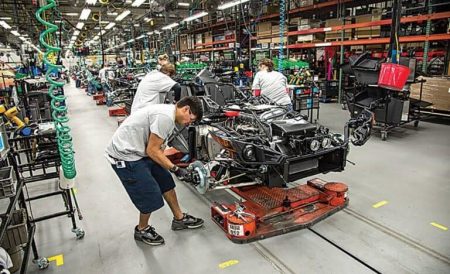
When your most skilled welders spend 60% of their shift manually repositioning parts, climbing around frames, or contorting their bodies to reach difficult joints, you are paying for premium labor to perform low-value material handling. To break this cycle, forward-thinking manufacturers are transitioning from static workstations to custom welding positioners. This shift is not merely about equipment; it is a fundamental reconfiguration of the fabrication cell designed to prioritize operator longevity, throughput, and, ultimately, the bottom line.
The Productivity Paradox: Why Static Workstations Are Holding Back Modern Manufacturing
The Hidden Costs of Manual Material Handling
Manual material handling is one of the most significant, yet often invisible, drains on manufacturing profitability. Beyond the direct wage expense associated with non-arc-on time, manual maneuvering of large components creates a fragmented workflow. Every time an operator stops welding to crane-adjust a workpiece or rotate a jig, the thermal cycle of the weld is interrupted, increasing the risk of cold starts, stop-start defects, and inconsistent bead profiles. Furthermore, the reliance on overhead cranes for frequent rotation creates an “idle chain” effect, where expensive assets remain stationary while waiting for the next lift.
Moving Beyond Traditional Welding Tables and Floor Jigs
For decades, the heavy-duty welding table has been the industry standard. However, these fixed surfaces are increasingly insufficient for modern, complex subassemblies. Traditional floor jigs often limit access to specific sides of a part, necessitating multiple setups or dangerous overhead maneuvers. By replacing these static systems with engineered positioning units, manufacturers gain the ability to orient workpieces precisely. This transition transforms the welder from a laborer who physically manipulates parts into an expert operator who manages the process, shifting the focus from physical effort to precision execution.
Maximizing Throughput through Precision Movement
Eliminating Bottlenecks with Multi-Axis Rotation
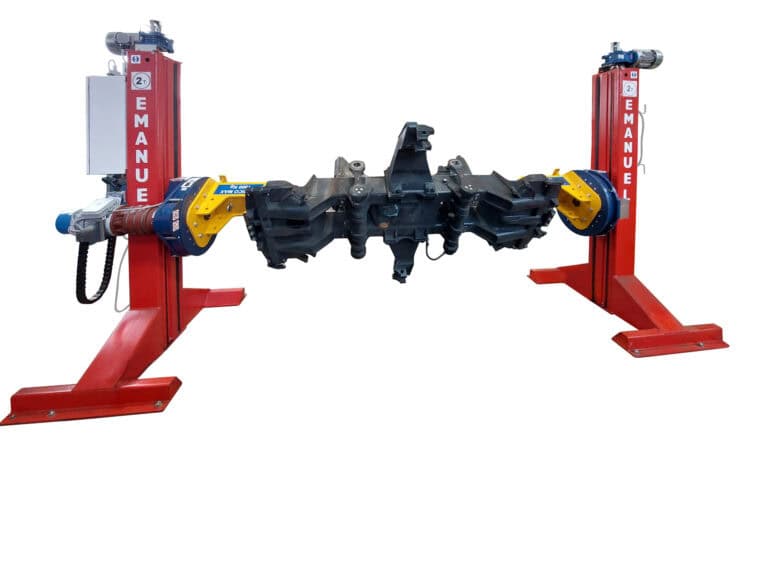
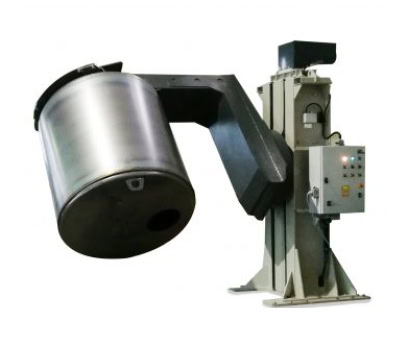
Multi-axis positioners eliminate out-of-position welding by rotating the workpiece, allowing operators to perform faster, higher-quality downhand welds.
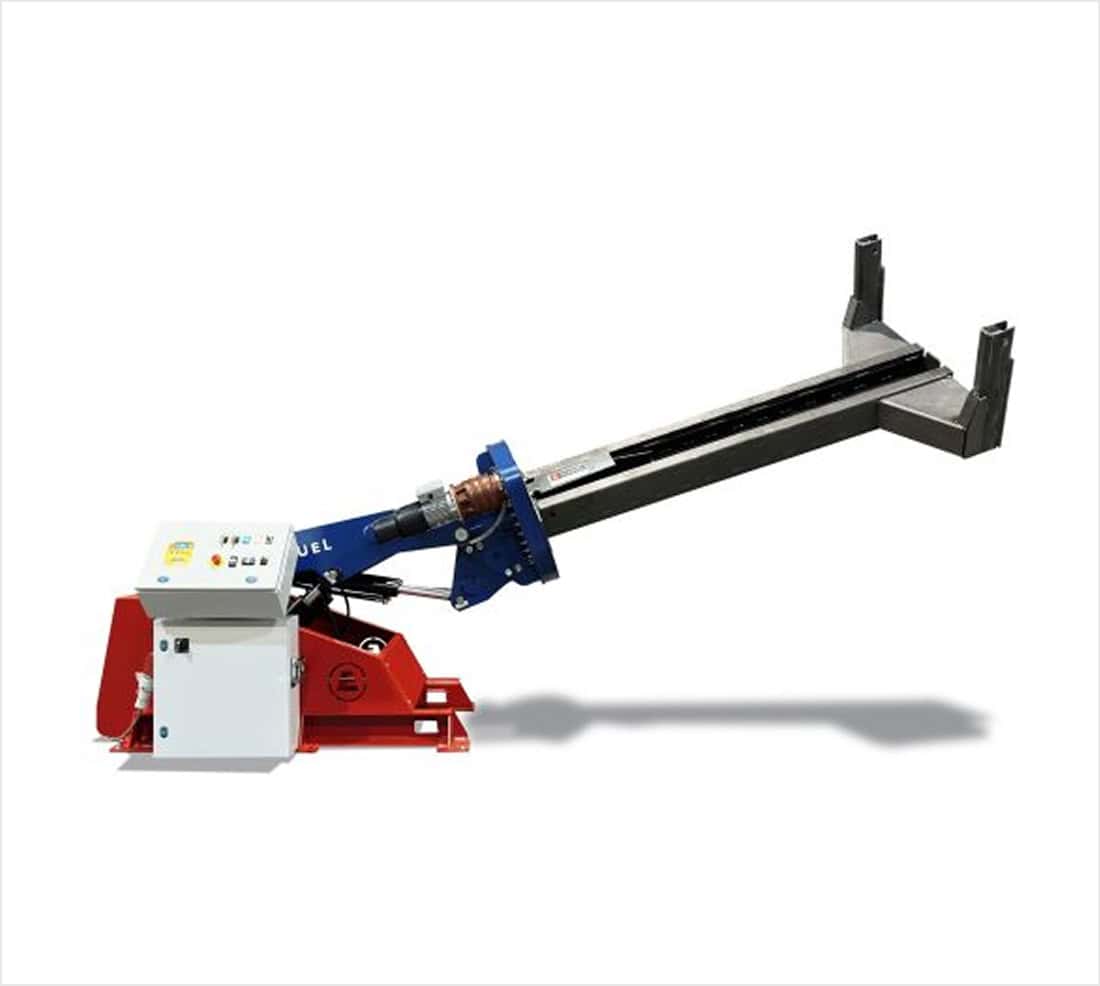
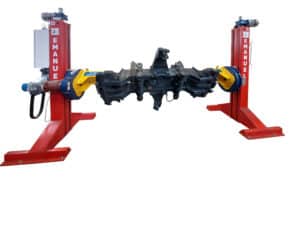
The primary benefit of multi-axis positioners is the ability to present every joint in the optimal, down hand orientation. When a positioner allows for continuous 360-degree rotation and precise tilt control, it eliminates the need for an operator to work out-of-position. This is not just a convenience; it is a massive speed multiplier. Down hand welding allows for higher deposition rates, better penetration control, and reduced spatter, effectively clearing the bottleneck that occurs when operators struggle with vertical or overhead joints.
Reducing Work-In-Progress (WIP) and Improving Workflow Continuity
In a shop reliant on static tables, parts often pile up at the weld station, waiting for specialized fixtures or crane availability. Custom positioners act as the central nervous system of the cell. By standardizing the way components are clamped and rotated, these systems facilitate a “flow” environment where one piece follows another without the erratic stops common in manual environments. Reduced WIP is a direct result of faster cycle times and more predictable process intervals.
Optimizing Cycle Times for High-Volume Production Schedules
In high-volume environments, seconds matter. Automated, synchronized movement between the welding torch and the positioner ensures that the arc remains active for a greater percentage of the shift. By pre-programming rotation speeds to match the welding speed, the system maintains consistent velocity, which is the hallmark of a high-quality, repeatable process.
The Economics of Ergonomics: Redefining Workplace Safety
Mitigating Operator Fatigue and Repetitive Strain Injuries
Safety is often discussed as a regulatory compliance issue, but in the modern fabrication shop, it is a business strategy. Welding is inherently physically demanding. Constant reaching, stooping, and static load-bearing lead to musculoskeletal disorders (MSDs) and repetitive strain injuries. Custom positioners mitigate this by bringing the work to the operator’s “comfort zone,” keeping the weld seam at an ergonomic height and angle.
The Impact on Insurance Costs, Wages, and Talent Retention
The correlation between ergonomic design and business costs is clear. Lower injury rates translate to lower workers’ compensation premiums. More importantly, in a labour-starved market, providing a safer, less physically taxing environment is a powerful recruiting and retention tool. Skilled welders will naturally gravitate toward facilities where they can perform high-quality work for years without compromising their health. Protecting your human capital is one of the most effective ways to lower your long-term operating costs.
Creating an Employee-Centric Manufacturing Environment
An employee-centric manufacturing environment values the welder’s expertise over their physical endurance. When you provide an operator with a state-of-the-art positioner, you are sending a signal that their skill is the company’s most valuable asset. This increases morale and creates a culture where efficiency and quality are seen as collaborative goals rather than top-down mandates.
Enhancing Weld Quality and Precision Accuracy
The Science of Access: Achieving Consistent Down hand Welding Positions
The “science” of high-quality welding is rooted in the welder’s ability to maintain a consistent torch angle and travel speed. When parts are rotated into the down hand position, gravity works with the molten pool rather than against it. This results in cleaner, stronger welds that require significantly less cleanup and secondary processing.
Minimizing Rework and Material Waste Through Better Torch Access
Rework is the silent killer of profitability. It consumes material, consumables, energy, and, most importantly, time that could have been used on new production. By ensuring that every inch of the weld seam is accessible without awkward contortions, welding work positioners significantly reduce the frequency of porosity, cold lap, and crater cracking. The financial impact of a 1% reduction in rework often exceeds the cost of the positioner itself within the first year of operation.
Ensuring Structural Integrity in Complex Subassemblies
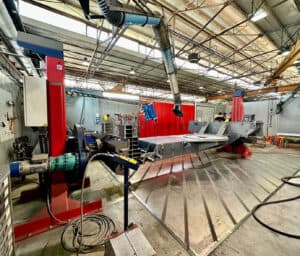
For industries like aerospace and heavy equipment, structural integrity is non-negotiable. Custom-engineered tooling on a positioner ensures that parts are held in their design intent geometry throughout the entire welding sequence. By reducing thermal stress and ensuring proper alignment, positioners guarantee that the final component meets rigorous load-bearing standards every single time.
The Strategic Advantage of Custom-Engineered Solutions
Tailoring Load Capacity and Payload Requirements for Heavy-Duty Applications
Not every component fits a standard off-the-shelf unit. Heavy-duty applications, such as construction equipment chassis or energy infrastructure, require custom-engineered load-bearing capacities. Bespoke positioners are built to handle specific weight distributions, ensuring the motor torque and gearbox strength are perfectly matched to the payload, providing smooth, vibration-free movement during the most critical welding stages.
Modular Designs: Scalability for Evolving Product Lines
Modern manufacturing requires flexibility. Modular positioners allow shops to change tooling or clamping systems quickly as product designs evolve. This scalability ensures that your equipment investment is not tied to a single legacy product but can be adapted for the next generation of assemblies, offering a much longer service life and better ROI.
Integrating Tooling and Specialty Fixtures for Unique Geometry
For complex geometries, the interface between the positioner and the part is critical. Custom-engineered fixtures designed specifically for your components can reduce setup time from hours to minutes. By integrating these fixtures directly into the rotation system, you ensure that the geometry remains stable and repeatable, regardless of the part’s initial complexity.
Integrating Positioners into the Automated Production Ecosystem
The Synergy Between Positioners, Robotics, and Cobot Cells
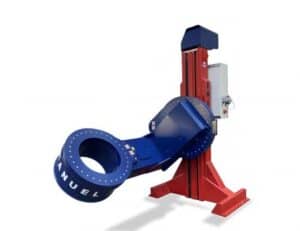
The true power of a positioner is realized when it is fully integrated with automated welding systems. In a robotic or cobot cell, the positioner serves as an additional axis of motion. By coordinating the robot’s torch path with the positioner’s rotation, you create a seamless integration that allows for the welding of highly complex, multi-sided components that would otherwise be impossible for a static robot arm to reach.
Coordinating with Automated Guided Vehicles (AGVs) and Material Handling Systems
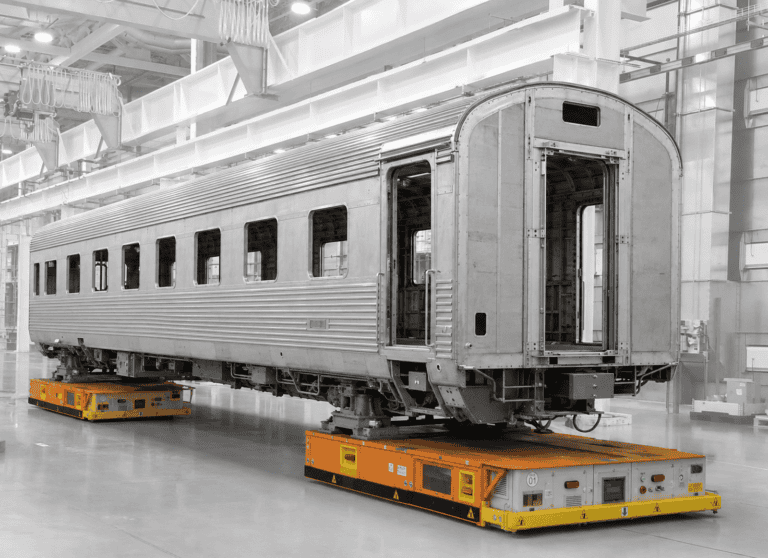
In a modern “lights-out” or semi-automated factory, the positioner is a link in the chain. Coordinating the positioner with AGVs allows for the automatic loading and unloading of parts, removing the manual labor from the process entirely. This turns the welding station into a self-contained unit capable of high-speed, continuous production.
Sequence Optimization in Modular Manufacturing Workstations
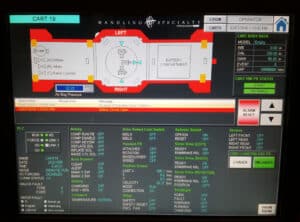
Digital sequence optimization allows the positioner to move to specific coordinates at precise times, synchronized with the welding power source’s program. This ensures that heat input is balanced, preventing distortion and ensuring that the structural integrity of the component is maintained throughout the entire welding sequence.
Industry-Specific Applications: Solving Complex Manufacturing Challenges
Automotive Assembly: From Chassis Production to Powertrain Components
In automotive manufacturing, speed and precision are paramount. Positioners allow for the rapid, accurate welding of vehicle chassis and powertrain units, ensuring that structural tolerances are met while maintaining the high-cycle-time demands of an assembly line.
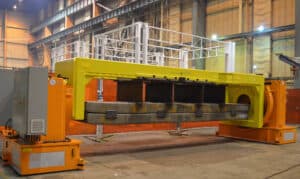
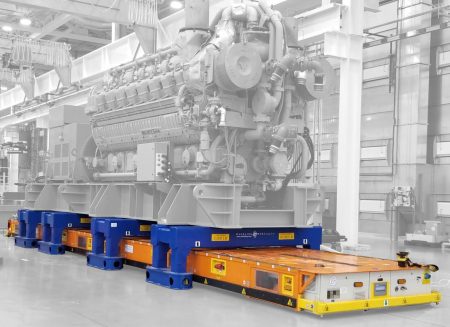
Heavy Equipment and Aerospace: Handling Large-Scale Structural Units
These industries deal with massive parts that require extreme precision. Custom-engineered positioners provide the stability needed for large-scale structural units, ensuring that heavy components are balanced and rotated safely without deformation.
Custom Solutions for Specialized Paint and Blast Booth Environments
Beyond welding, positioning systems are vital in surface treatment. Custom-built units designed for harsh environments allow for the uniform application of coatings and effective sandblasting, ensuring that every angle of the part receives consistent treatment without the need for manual handling.
A Decision Framework: Selecting the Right Positioning System
Assessing Movement Complexity: Rotation, Tilt, and Height Adjustment
When selecting a positioner, you must first evaluate the movement required. Simple 1-axis rotation is sufficient for pipes and cylindrical tanks. However, 2-axis or 3-axis systems, which add tilt and height adjustment, are essential for irregular, multi-faceted assemblies. The decision should be driven by the “geometry-to-weld” relationship: if the operator must frequently change their stance to reach the joint, you need an additional axis of movement.
Conclusion
The move toward custom welding positioners is a critical step for manufacturers seeking to thrive in a high-demand global market. By shifting the focus from manual labor to process control, companies can realize massive gains in productivity, safety, and weld quality. The strategic advantage of these systems—when properly integrated into a broader automated ecosystem—is not just about getting parts welded faster; it is about building a sustainable, high-precision operation that protects workers and reduces the TCO of every fabricated unit. To implement these solutions effectively, start by auditing your current cycle times and identifying the “lost time” spent on material handling. As you transition to modular, engineered positioning systems, remember that the goal is to create a seamless, human-centric environment where technology enables your workforce to achieve higher levels of precision than ever before. The future of manufacturing belongs to those who view their fabrication cells as dynamic, data-driven systems rather than just static assembly areas.