
Sustainable Material Handling: A Guide to Green Assembly and Circular Manufacturing
As organizations face mounting pressure to reduce their carbon footprint, the intersection of material handling, assembly, and sustainable practices has become the theme for operational innovation. This guide explores how to integrate green manufacturing into the fabric of your business, turning sustainability from a regulatory burden into a core competitive advantage. By leveraging smarter infrastructure, advanced digital tools, and regenerative logistics, your organization can foster resilience, minimize energy usage, and optimize resource cycles.
Redefining the Assembly Line: From Linear to Circular
The Intersection of Material Handling and Sustainability
Traditional manufacturing views material handling as a purely logistical cost center. However, sustainable manufacturing challenges this perspective. Every pallet moved, every shelf accessed, and every component assembled represents an opportunity to either waste energy or capture value. By aligning material handling equipment with environmental standards, firms can provide a streamlined flow that reduces unnecessary motion and idle time, directly impacting the bottom line.
Moving Beyond Waste Reduction to Resource Regeneration
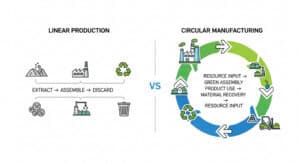
The shift from linear to circular manufacturing ensures that byproducts and end-of-life materials are continuously fed back into the production cycle.
The goal is to evolve beyond simple waste management toward a model of resource regeneration. This means designing assembly lines where the byproduct of one process becomes the input for another. When our team assesses facility operations, we look for ways to keep materials in a closed-loop system, ensuring that nothing is truly “waste” but rather a resource awaiting its next application.
The Role of Material Handling Equipment (MHE) as a Sustainability Catalyst
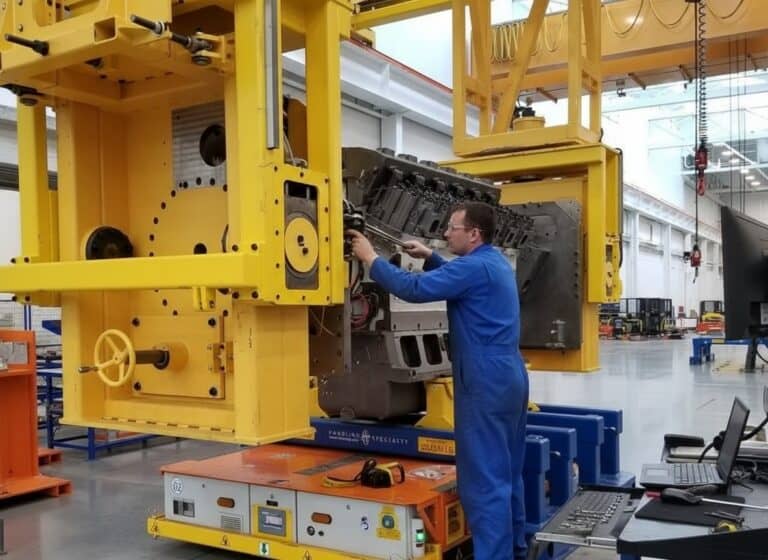
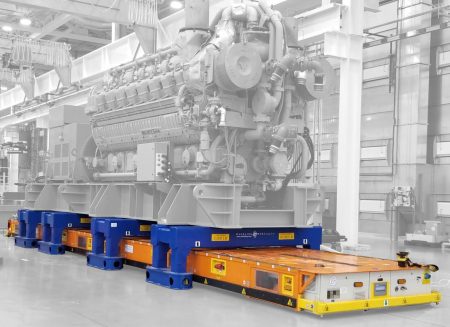
Modern MHE serves as the heartbeat of a circular ecosystem. Electric, automated guided vehicles (AGVs), and intelligent conveyor systems are critical to reducing energy usage. By integrating sensors and telematics, these tools provide the data necessary to monitor performance, reduce battery consumption, and ensure that equipment operates at peak efficiency during its entire lifecycle.
Building a Sustainable Foundation: Green Facility Infrastructure
Optimizing Building Enclosures and HVAC Systems for Energy Efficiency
The physical shell of your facility is the first line of defense against energy loss. Utilizing high R-value insulation and airtight enclosures drastically lowers the demand on HVAC systems. By optimizing airflow and temperature regulation, you create a controlled environment that maintains energy efficiency while supporting the health of your staff and the integrity of your materials.
Smart LED Lighting and Motion Sensors: Reducing Energy Usage in the Warehouse
Lighting represents one of the most immediate opportunities for energy savings. Replacing legacy lighting with smart LED systems and motion sensors ensures that energy is only consumed when and where it is needed. This straightforward investment provides significant operational savings and contributes to a smaller carbon footprint, reinforcing your commitment to sustainable practices.
Integrating Building Management Systems (BMS) for Real-Time Oversight
A Building Management System (BMS) acts as the “brain” of your facility. It provides the information needed to synchronize energy consumption across heating, cooling, and lighting systems. Through centralized control, you gain the visibility required to adjust operations dynamically based on real-time occupancy and production cycles.
Leveraging Onsite Solar Panels and Renewable Energy Sources
Transitioning to renewable energy is the cornerstone of a sustainable manufacturing strategy. By installing rooftop solar arrays or sourcing green power from local utilities, facilities can decouple themselves from volatile fossil fuel costs. These installations not only reduce operational expenses but also improve your environmental standing, providing a measurable reduction in net carbon emissions.
Green Assembly Strategies: Energy Efficiency in Motion
Bridging Lean Manufacturing and Sustainable Practices
Lean methodology is naturally synergistic with sustainability. Both disciplines emphasize the elimination of waste—be it time, materials, or energy. By applying lean principles to assembly workflows, you streamline production, reduce excess inventory, and lower the resources required to bring a product to market.
Implementing Idle Reduction Technology in Material Handling Equipment
Idle equipment is an energy drain. Implementing idle reduction technology and automatic shutdown protocols in your MHE fleet ensures that energy usage is minimized during downtime. Our team has observed that even small adjustments in equipment scheduling can yield substantial gains in overall efficiency, helping businesses lower their long-term maintenance and fuel costs.
Energy Savings Performance Initiatives: Capturing Waste Heat
Manufacturing processes often generate significant waste heat. Advanced energy savings performance initiatives focus on capturing this thermal energy and repurposing it for building climate control or industrial heating. This “waste-to-energy” approach exemplifies circular manufacturing, as it extracts maximum utility from every kilowatt consumed.
The Digital Twin: Using Solutions for Operational Visibility
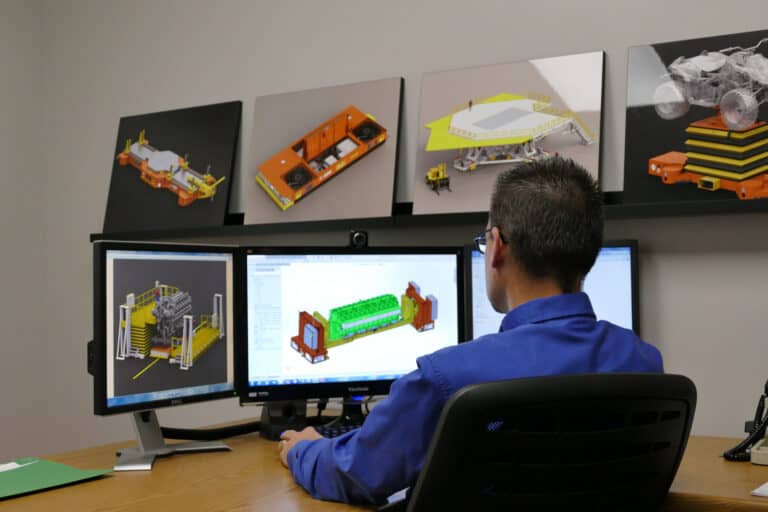
The Digital Twin represents the frontier of operational visibility. By creating a virtual replica of your assembly line using platforms where you can simulate workflows and predict energy consumption before a physical move is ever made. This digital-first approach ensures that your processes are lean, predictable, and fully aligned with your sustainability KPIs.
The Circular Ecosystem: Sustainable Materials Management
Sustainable Sourcing and Navigating the Restricted Substances List (RSL)
True circularity begins at the point of procurement. Adhering to a strict Restricted Substances List (RSL) ensures that the materials entering your facility are safe, recyclable, and compliant with global environmental standards. Providing clear information to suppliers about your expectations is crucial for maintaining a clean and responsible supply chain.
Sustainable Packaging: Reducing Microfibers and Microplastics
Packaging waste is a significant contributor to global pollution. Rethinking packaging through the lens of biodegradability and recyclability helps reduce the release of microfibers and microplastics. By prioritizing paper-based or compostable protective materials, your team can ensure that your product reaches the customer without leaving a lasting, harmful legacy.
Data-Driven Sustainability: Compliance, Standards, and KPIs
Navigating Environmental Management Systems (ISO 14001)
ISO 14001 serves as the global gold standard for environmental management. Implementing an EMS provides a structured framework for identifying, managing, and improving your environmental performance. It allows you to track progress transparently, ensuring that your sustainability efforts are consistent and verifiable.
LEED Certification and Green Manufacturing Certificates for Facilities
Achieving LEED certification or other green manufacturing certificates provides external validation of your commitment to sustainable facility design. These standards demand rigorous adherence to energy, water, and waste-reduction benchmarks, providing a roadmap for continuous improvement and operational excellence.
Leveraging EPA SmartWay and Logistics Compliance Requirements
Logistics is a major component of the total carbon footprint. Engaging with programs that allow you to track, measure, and improve the efficiency of your transport and freight operations. Compliance with these standards is vital for organizations that wish to prove their environmental impact to regulators and stakeholders alike.
Establishing Key Performance Indicators (KPIs) for Carbon Footprint Tracking
If you cannot measure it, you cannot manage it. Establishing clear KPIs for carbon footprint tracking—such as energy intensity per unit produced or percentage of waste diverted from landfills—is essential. By providing these details to your leadership team, you ensure that sustainability remains a high-priority business objective.
Closing the Loop: Advanced Waste Management and End-of-Life Logistics
Transforming Waste Streams: Recycling Containers and Composting Programs
Effective waste management requires a shift in how you view the bin. Implementing comprehensive recycling and composting programs transforms your facility into a hub of material recovery. By separating waste streams at the source, your team can ensure that materials are directed to the appropriate processing facilities rather than the landfill.
Electronics Stewardship: Following E-Stewards and Electronics Recycling Standards
Electronics represent a unique challenge and opportunity. Following E-Stewards and similar standards for electronics recycling ensures that sensitive components are handled safely and that precious metals are recovered for future use. This stewardship is vital for companies dealing with high-tech assembly and component maintenance.
Water Conservation and Industrial Wastewater Guidelines
Water is an essential industrial resource. Following strict wastewater guidelines and implementing water-recycling systems helps prevent the contamination of local ecosystems. Technologies such as closed-loop cooling towers and water-filtration systems allow you to reduce your water footprint while ensuring ongoing compliance with environmental mandates.
Rare Earth Element Recycling: A New Frontier in Circular Manufacturing
As technology grows more complex, the recycling of rare earth elements has become a strategic priority. Establishing channels to recover these materials from end-of-life products is a challenging but high-reward aspect of circular manufacturing. Investing in these recovery initiatives helps secure your supply chain and minimizes the environmental impact of raw material extraction.
Conclusion
Sustainable material handling is no longer a peripheral corporate social responsibility task; it is the fundamental framework for the next generation of industrial performance. By transitioning from a linear model to a circular ecosystem, organizations can significantly reduce their carbon footprint, optimize energy usage, and establish a resilient supply chain that prepares them for a resource-constrained future.
The journey toward green manufacturing requires a commitment to three core pillars: infrastructure modernization, digital-first operational visibility, and a rigorous adherence to sustainability standards. Whether through the installation of solar power, the integration of Digital Twins to eliminate waste, or the strict management of material inputs via an RSL, every action you take contributes to a broader, positive change.
We encourage your team to perform an immediate audit of your current material handling processes. Compare your metrics against the standards mentioned in this guide, and identify the areas where you can shift from waste-reduction to resource-regeneration. Sustainability is not a static destination but an ongoing pursuit of efficiency and value. By treating your facilities as nodes in a circular network, you protect the planet while simultaneously hardening your business against operational inefficiencies. Should you require further details or expert support to guide your sustainability roadmap, our team at Handling Specialty is prepared to help you build the systems necessary for long-term growth and environmental stewardship. Start today by setting your baseline, engaging your stakeholders, and committing to the measurable progress that defines the leaders of tomorrow’s manufacturing sector.