Predictive Analytics in Material Handling: Optimizing Manufacturing, Assembly, and MRO
Material handling has evolved from a back-end logistics requirement into a strategic driver of operational resilience. Success today demands more than just installing machinery; it requires “Predictive Orchestration”—the ability to synchronize physical assets with digital intelligence to anticipate and mitigate bottlenecks before they manifest. By shifting from reactive automation to predictive analytics, organizations can turn their material handling systems into a competitive advantage that maintains flow despite global market turbulence.
Beyond Automation: The Rise of Intelligent Material Flow
Shifting from Reactive Response to Predictive Orchestration
Predictive orchestration prevents bottlenecks by using real-time AI to dynamically reroute assets, such as AGVs, when equipment stalls.
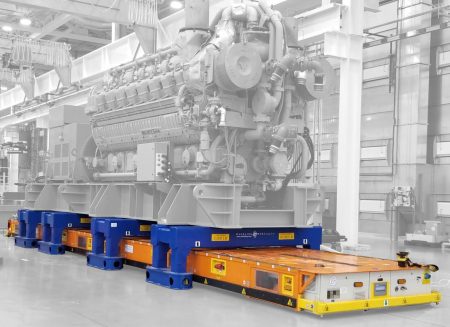
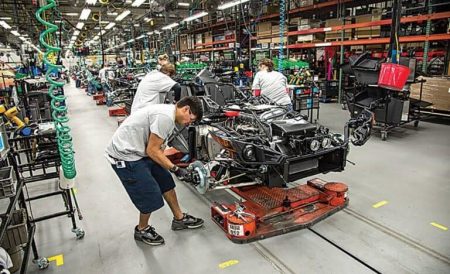
Traditional automation focused on mechanization—replacing manual labor with fixed systems. However, modern facilities require agility. Predictive orchestration moves beyond repetition by integrating artificial intelligence to interpret environmental data. Instead of simply pushing inventory, systems now evaluate flow in real time. If a n automated guided vehicle experiences a stall, the system doesn’t just wait; it dynamically reroutes the AGVs to keep the assembly line fed. This transition from rigid automation to fluid, predictive orchestration is the cornerstone of modern operational stability.
The Role of Predictive Analytics in Modern Supply Chain Resilience
Supply chain disruption is the new normal. Whether through labor shortages or component delays, the ability to pivot is critical. Predictive analytics acts as a stress-test engine. By modeling thousands of scenarios, these systems provide decision-makers with the information needed to reallocate resources instantly. When data-driven insights underpin the facility’s logic, material handling ceases to be a potential point of failure and becomes a robust framework capable of absorbing shock, ensuring that assembly and shipping schedules remain on track regardless of external variables.
The Foundation of Intelligence: Creating a Digital Layer
Industrial Internet of Things (IIoT) and Sensor Technology
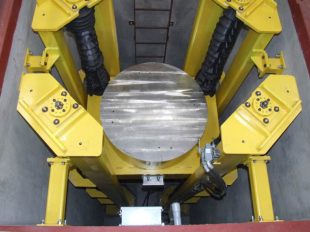
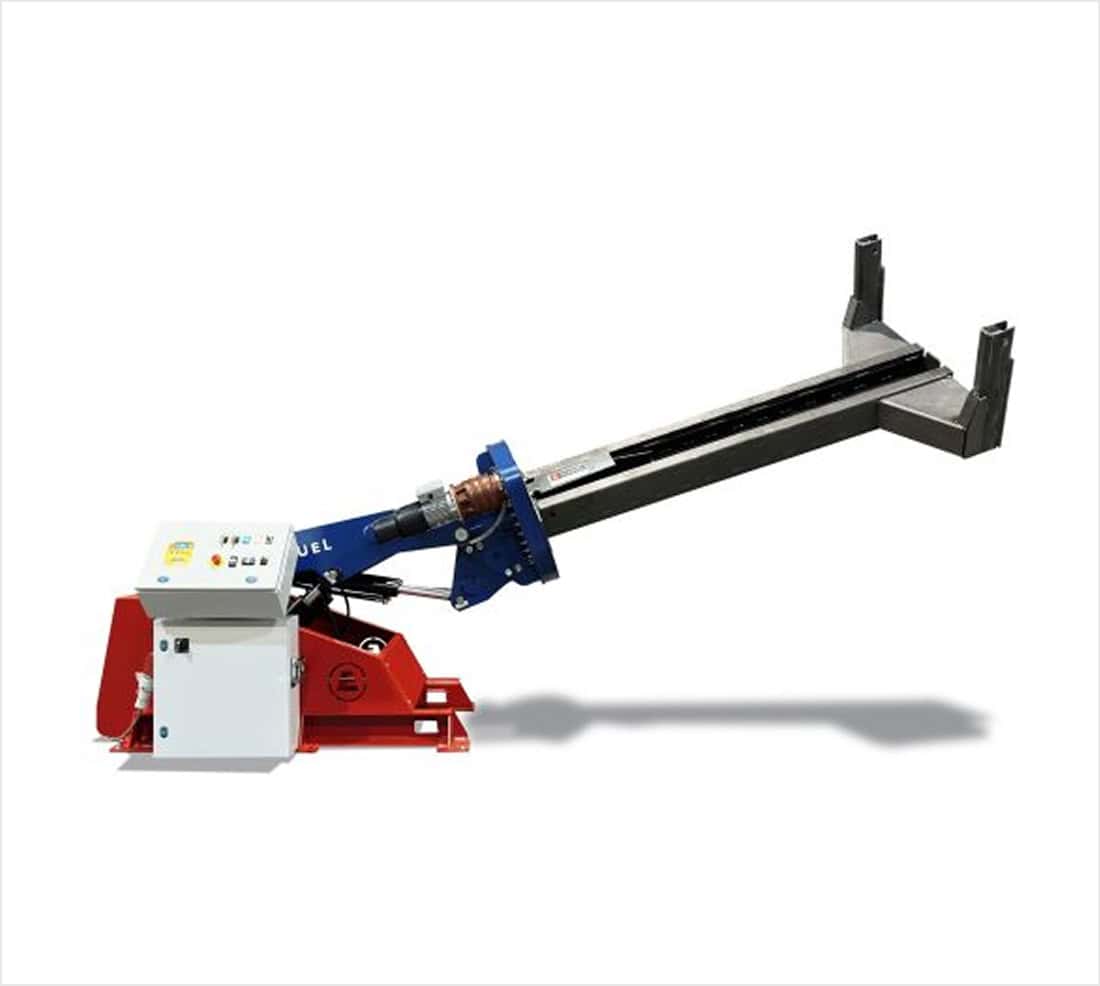
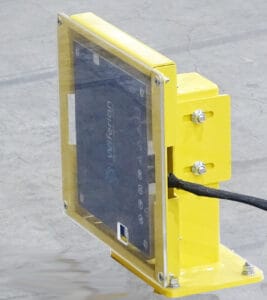
Data is the lifeblood of predictive analytics. IIoT sensors turn legacy hardware into communicative assets. By embedding sensors into AGVs, Personnel Lifts, Scissor lifts, Custom work positioners, and robotic arms, managers gain granular visibility into heat, vibration, and throughput speed. These sensors collect the raw information necessary for machine learning models to detect anomalies. This digital layer acts as the facility’s nervous system, bridging the gap between physical movement and analytical decision-making.
Real-Time Data Monitoring: RFID, UWB, and Indoor Positioning Systems
Precise location awareness is vital for manufacturing and MRO facility velocity. Technologies like RFID, Ultra-Wideband (UWB), and sophisticated indoor positioning systems provide the “where” and “when” for every unit load. By mapping inventory location against the movement of forklifts and automated guided vehicles (AGVs), managers can eliminate unproductive travel time. Real-time monitoring ensures that the right materials arrive at the right station precisely when needed, minimizing idle time and maximizing throughput.
Building the Digital Twin: Synchronizing Physical Assets with Virtual Models
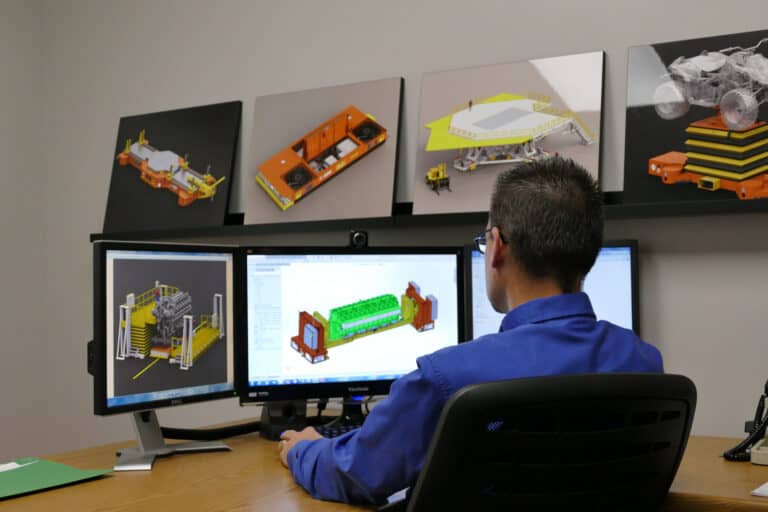
A digital twin is a dynamic virtual replica of the physical facility. Unlike a static map, the twin updates in real time, mirroring the status of all material handling systems and automated storage and retrieval systems (AS/RS). By simulating the impact of a process change in the virtual model first, operations teams can identify potential failures before implementation. This synchronization allows the facility to act as a unified, intelligent organism rather than a collection of disparate machines.
Optimizing Manufacturing and Assembly Through Predictive Flow
Predictive Throughput: Anticipating Bottlenecks Before They Occur
Bottlenecks are the enemy of efficiency. Predictive throughput analytics analyze historical and real-time flow patterns to forecast congestion points. By identifying these surges before they occur, the system can adjust the speed of conveyor belts or divert traffic to secondary paths. This proactive management ensures that production lines never starve, maintaining a continuous, optimized cadence that traditional, reactive systems simply cannot achieve.
Automated Flexible Production Lines and Just-in-Sequence Replenishment
Modern assembly requires extreme flexibility. Just-in-sequence (JIS) replenishment ensures that components arrive at the assembly point in the exact order required for specific product variants. By leveraging intelligent material handling systems, factories can switch between high-mix, low-volume production runs with minimal downtime. Advanced sequencing algorithms ensure that the material handling system adapts to the product, not the other way around.
Strategic MRO: Transforming Maintenance from a Cost Center to a Value Driver
Moving Beyond Scheduled Maintenance: Data-Driven Fault Detection
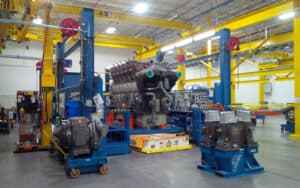
Scheduled maintenance is useful, but Predictive maintenance shifts the paradigm. By monitoring the “health” of equipment through vibration analysis and power consumption logs, algorithms predict exactly when a component is nearing the end of its life. This enables maintenance crews to address issues during planned windows, preventing costly, unplanned catastrophic failures during peak operational cycles.
Extending System Lifecycle with Predictive Wear Analysis
Every motor, hydraulic pump, and belt has a unique wear profile based on its specific workload. Predictive wear analysis tracks the cumulative stress on individual components. By adjusting usage patterns based on this wear data, operators can significantly extend the lifecycle of their capital equipment. This not only improves ROI on major systems but also ensures that the facility operates at peak reliability, minimizing the chance of surprise downtime.
MRO for Complex Systems: AGVs, Sortation, and AS/RS
Complex material handling systems, such as large-scale sortation units or high-density AS/RS, benefit most from predictive oversight. These systems are highly interdependent; one failure causes a cascade. Predictive MRO monitors the entire ecosystem, ensuring that the critical nodes of the facility receive the attention they require. By focusing maintenance on the most sensitive components, facilities achieve higher availability and throughput stability.
The Brain of the Operation: AI and Machine Learning Architecture
Multi-Agent Reinforcement Learning for Autonomous Routing
In an assembly, manufacturing, or MRO facility filled with AGVs and AMRs, the biggest challenge is coordination. Multi-agent reinforcement learning enables these robots to communicate and negotiate space, similar to air traffic control. Instead of relying on a centralized controller that can become a bottleneck, each agent makes intelligent, decentralized decisions. This results in fluid, highly efficient traffic flow, even in densely populated zones.
Edge Computing vs. Cloud Material Handling Systems
Effective architecture uses a hybrid approach. Edge computing provides the low-latency processing needed for immediate safety and motor control, while the cloud handles the heavy-duty data crunching and global trend analysis. By placing intelligence at the edge, systems react in milliseconds to local conditions, while the cloud updates the facility’s overall logic, ensuring that the “brain” of the operation remains adaptive and informed.
Cyber-Physical Systems (CPS) and the Integration of Programmable Logic Controllers
The integration of IT and OT is the final hurdle to full intelligence. Programmable logic controllers (PLCs) represent the foundation of physical control, but they must be integrated into the broader digital ecosystem through CPS. By establishing secure, high-speed communication between the shop floor and management software, companies gain a complete, actionable view of their entire operation.
Improving Operational Efficiency with Advanced Material Handling Equipment
Autonomous Mobile Robots (AMRs) and Automated Guided Vehicles (AGVs)
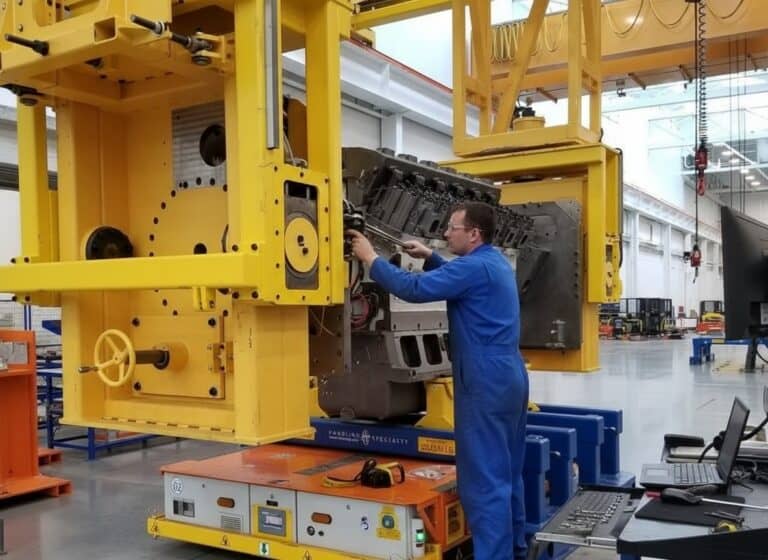
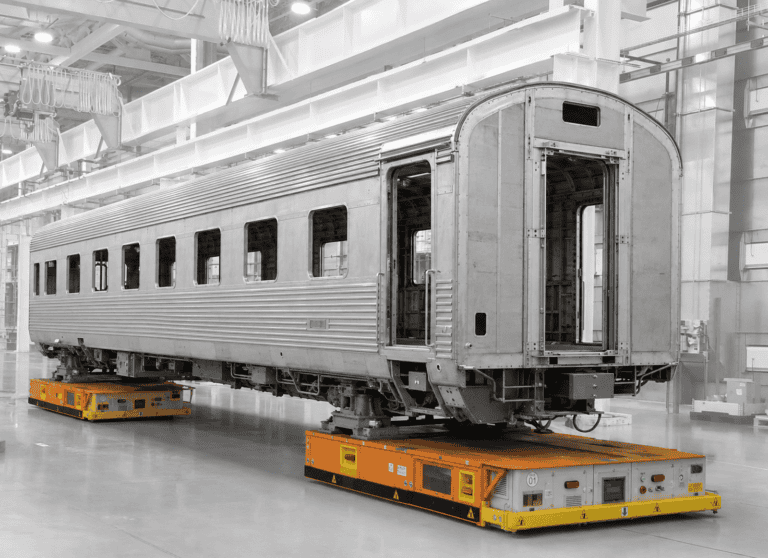
AMRs and AGVs have redefined the movement of goods. Unlike fixed conveyors, these autonomous units provide unparalleled flexibility. They navigate dynamically, using onboard sensors to avoid obstacles. When integrated into a larger fleet management system, these robots optimize travel paths across the facility, drastically reducing the time spent on manual transit and increasing the overall throughput efficiency of the operation.
Smart Assembly and MRO Facilities: Enhancing Vertical Storage and Unit Load Efficiency
Vertical space is often underutilized. Modern AS/RS technology leverages intelligent vertical movement to maximize density. When combined with predictive analytics, these systems organize inventory based on velocity and demand. High-turnover items are stored in optimal, accessible zones, while slow-moving stock is tucked away, maximizing space utilization without sacrificing the speed of retrieval.
Sustainability and Energy-Saving Tactics in Material Handling
Energy Recovery Systems and Regenerative Braking Technology
Material handling equipment consumes significant power. Regenerative braking technology allows electric AGVs and AS/RS cranes to recapture energy during deceleration, feeding it back into the unit’s battery storage systems. This energy-efficient approach not only lowers operating costs but also reduces the carbon footprint, aligning facility operations with broader environmental goals.
Optimizing Power Consumption with Lithium-ion Batteries and Smart Charging
Smart charging systems take the guesswork out of fleet management. By monitoring battery health and scheduling charging during off-peak hours—or when predictive algorithms suggest a lull in activity—facilities can drastically reduce peak load charges. Lithium-ion technology provides longer cycles and faster top-up charging where wireless charging stations are implemented through out the AGVs automated path, ensuring that equipment is ready when it is needed, without the inefficiencies of traditional lead-acid systems.
Environmentally Conscious Design and Sustainable Handling Solutions
Sustainability is becoming a core design requirement. From selecting energy-efficient drive motors to designing modular systems that minimize waste, manufacturers are prioritizing sustainability. A facility that consumes less power and lasts longer is inherently more efficient. These sustainable choices serve as a direct financial hedge against rising energy costs, ensuring long-term profitability.
The Human-Centric Smart Factory: Safety and Collaboration
Collision Avoidance Technology and Worker Safety Metrics
Safety is not just a policy; it is a critical performance metric. Collision avoidance systems, utilizing LiDAR and computer vision, create a “safety cocoon” around humans and mobile equipment. By monitoring these interactions, management can identify high-risk zones and adjust workflows to eliminate hazards. Human-centric design ensures that automation supports the workforce, making their jobs easier, safer, and more ergonomic.
Conclusion
Predictive analytics is the pivot point for modern material handling. By moving from reactive, siloed processes to predictive orchestration, organizations can build facilities that are not just automated, but truly intelligent. The roadmap to success involves three clear stages: digitizing the physical environment with robust sensors, synchronizing operations through a digital twin, and utilizing AI to drive autonomous decision-making.
To implement this effectively, start by breaking down the barriers between your IT and OT departments. Ensure that every piece of new equipment is “smart-ready” and capable of feeding data back into your centralized analytics engine. Focus on high-impact areas like predictive maintenance for AGVs or autonomous routing for AMRs to generate quick wins and early ROI. As supply chain volatility remains a constant threat, your investment in predictive intelligence is the best insurance against disruption. The future belongs to those who do not just respond to the flow of materials but actively predict and manage it.