The High Stakes of Technical Mastery in Material Handling
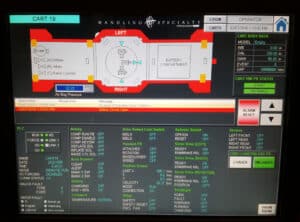
A modern material handling system can fail through a misread fault code, a mishandled override, a load-cell calibration that nobody on shift understood well enough to question. The machinery on the floor carries layers of PLC logic, variable frequency drives, diagnostic telemetry and interlocked safety circuits that have no analog in the general safety curriculum most operators completed years ago. The equipment has advanced. The competency model underneath it, in too many plants, has not.
The scale of the exposure is significant: 14.7 million workers are currently employed in the U.S. manufacturing sector, according to the National Institute for Occupational Safety and Health. Research indicates that employee training and technical competency jointly explain 67.7% of the variance in OSHA Compliance Effectiveness ,meaning the majority of what separates a compliant site from a cited one traces back to what operators actually know how to do.
That reframes the problem. Compliance isn’t a documentation exercise that runs parallel to operations; it’s a downstream result of technical depth. General safety knowledge keeps someone out of obvious danger. Only system-specific mastery of the material handling systems keeps a high-capacity automated asset running safely.
Bridging the Skills Gap with Competency Frameworks
Most industrial training programs still measure the wrong variable. The Association for Talent Development reports that average learning hours per employee reached 20.7 in 2022, which is a reasonable investment, and an entirely insufficient metric. Hours logged describe exposure, not capability. A competency framework measures what an operator can demonstrate under observation, at the machine, against a defined performance standard.
Seat time tells you an employee attended. A competency assessment tells you whether they can safely isolate, diagnose and restart the asset they’re responsible for.
Building competency frameworks for automation in material handling begins with a gap analysis mapped to the actual system architecture rather than to a generic equipment category. That means decomposing the asset into its functional domains — mechanical, electrical, control logic, safety interlocks, load management — and defining observable proficiency criteria for each. An operator may be fully competent in load handling and entirely unqualified to interpret a drive fault. A framework exposes that asymmetry; an attendance roster hides it.
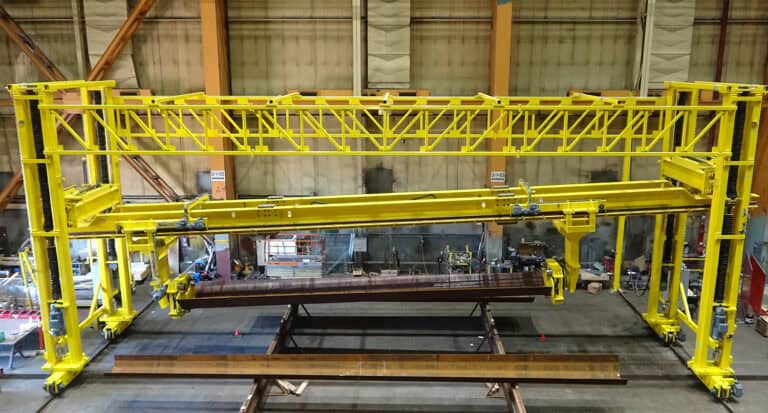
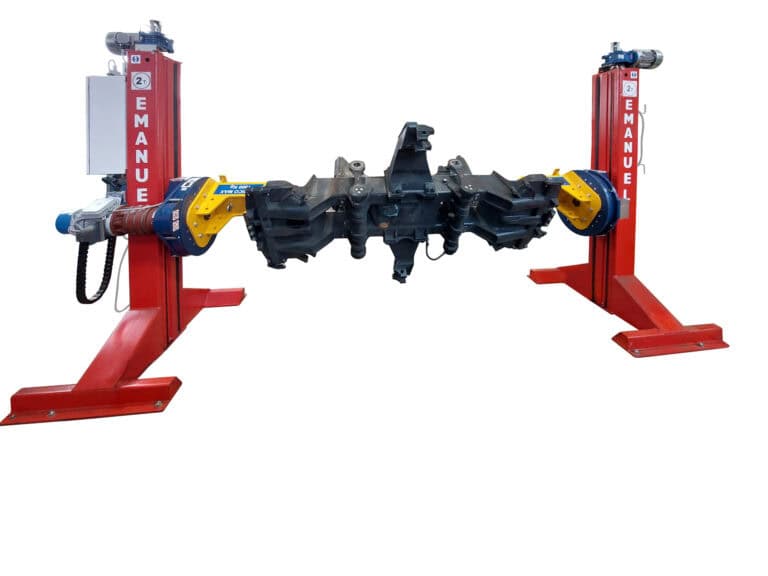
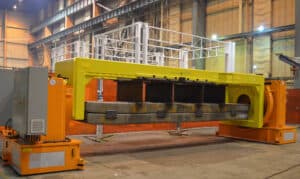
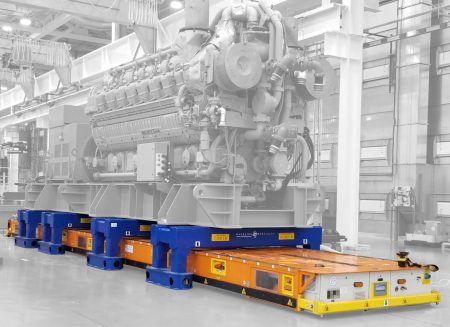
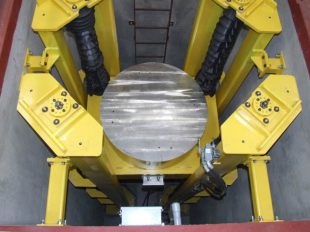
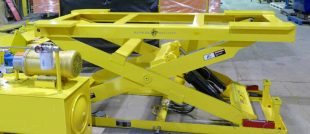
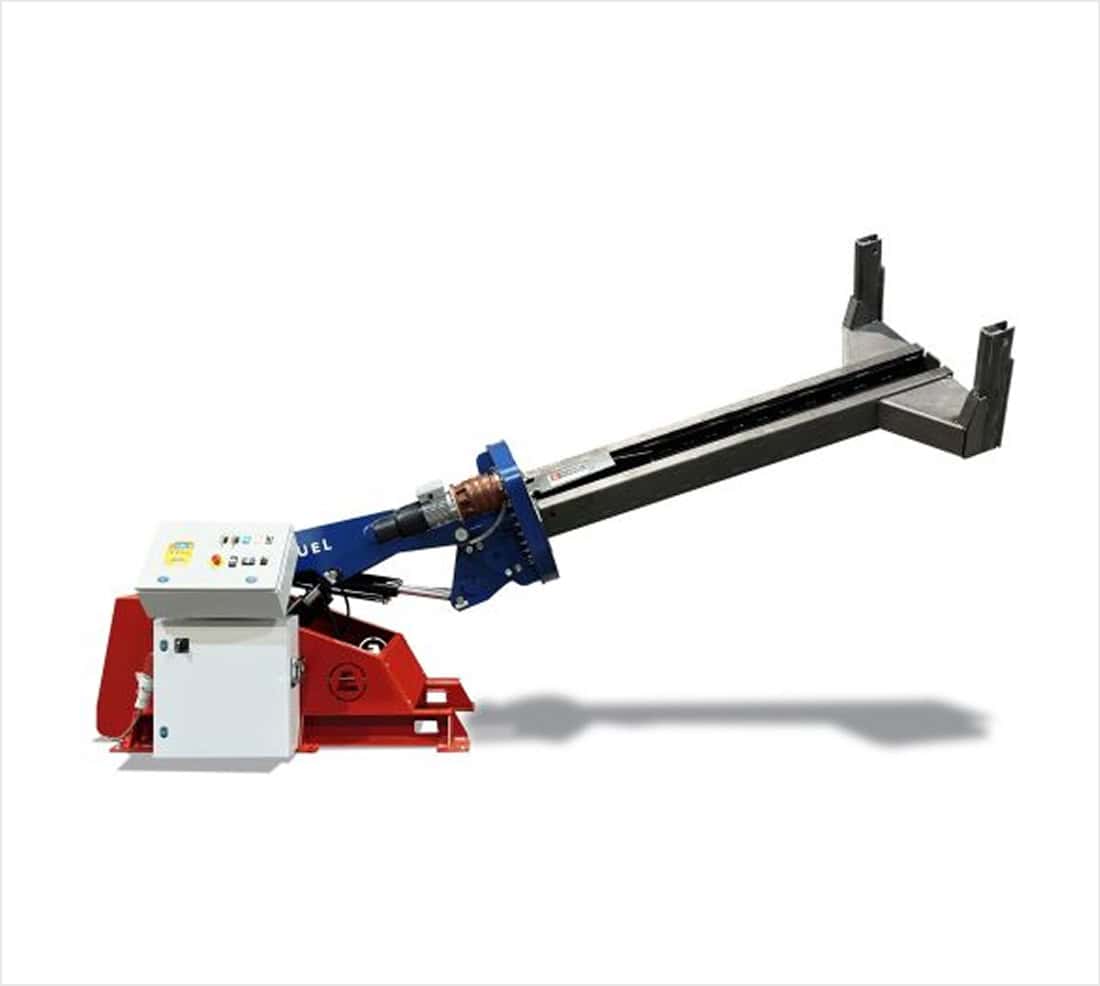
Custom-engineered equipment sharpens the requirement further. When an AGV, personnel lift, or coil handling system is purpose-built for a specific duty cycle and facility geometry, off-the-shelf curriculum cannot cover its unique control sequences, failure modes or maintenance envelopes. Bespoke material handling machinery demands bespoke modules, authored from the as-built documentation of that specific installation.
Navigating PUWER and OSHA Training Requirements
The two dominant regulatory regimes facing multinational operators are not interchangeable. OSHA governs North America’s workplaces through standard-specific training mandates enforced by inspection and citation. The UK’s Provision and Use of Work Equipment Regulations (PUWER) takes a duty-holder approach: the employer must ensure work equipment is suitable, maintained, inspected and used only by people who have received adequate training. Satisfying one does not satisfy the other, and sites operating under both need parallel evidence trails.
There a shared set of baseline controls:
- Suitability verification — documented confirmation that the equipment is appropriate for its actual working conditions, not merely its catalog rating.
- Role-specific instruction — training scoped to the machinery an individual will operate, including its foreseeable abnormal conditions.
- Supervisor competency — those overseeing the work must themselves be qualified in the equipment’s hazards and controls.
- Inspection and maintenance records — traceable evidence that safety-critical components are checked by competent persons at defined intervals.
- Refresher and reassessment cycles — competency re-verified after modifications, incidents or extended absence from the asset.
Warning: training deficiencies remain among the most consistently cited failures in industrial enforcement. The American National Standards Institute notes 2,050 OSHA violations recorded for fall protection training alone in 2024 — a systemic gap in a single hazard category, and a signal that documented programs are frequently outpaced by actual floor conditions.
Modern Methods: From VR Simulations to OJT
No single delivery method covers the full competency surface of a high-capacity automated system. Each addresses a distinct layer of learning, and the effective programs blend them deliberately.
Classroom and Structured Theory
Classroom instruction remains the right vehicle for principles that transfer across equipment: load dynamics, electrical isolation theory, regulatory duties, fault-code logic. It’s efficient, auditable and scalable. What it cannot do is build the sensory judgment an operator needs i.e. the sound of a brake beginning to drag, the feel of a load that’s off-center.
VR Simulation
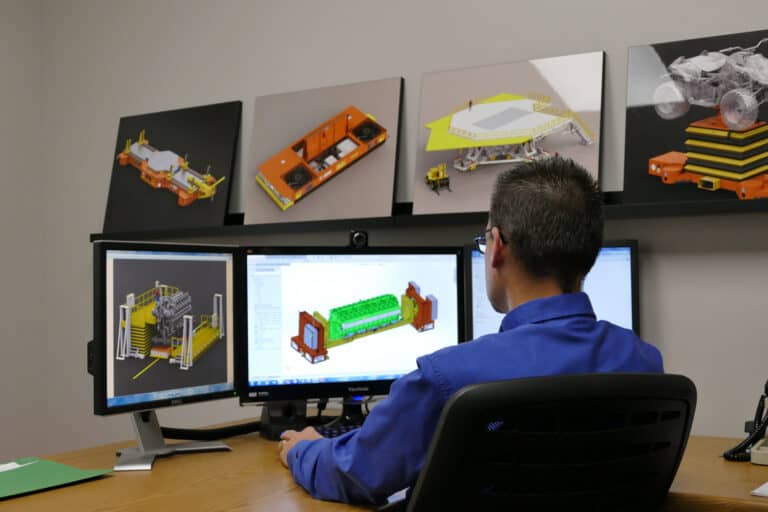
Virtual reality earns its place in scenarios too dangerous or too disruptive to rehearse live: emergency stop sequences, runaway load recovery, confined-space interactions, catastrophic drive failure. Simulation lets an operator fail repeatedly at zero cost and build decision patterns before the consequences are real. It supplements on-the-job training; it does not replace it. Haptic fidelity, environmental noise and the physical weight of real machinery are not reproducible.
On-the-Job Training
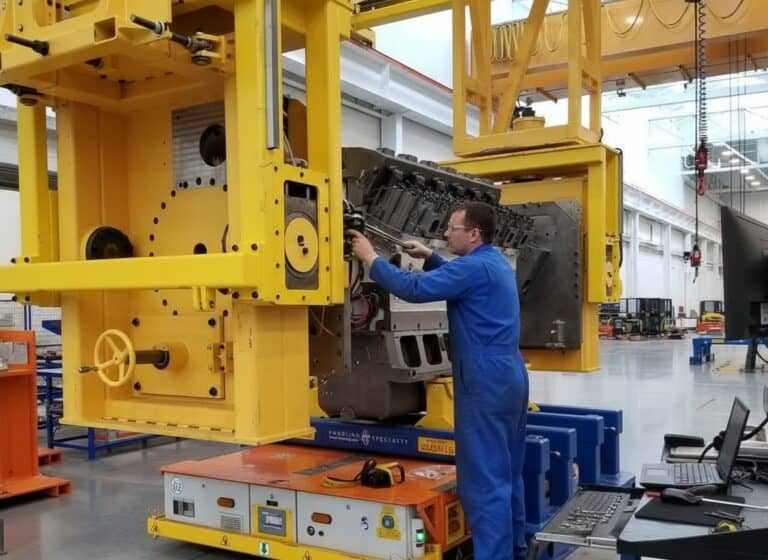
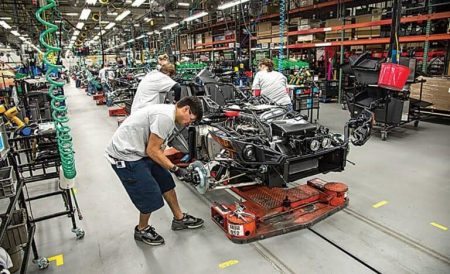
OJT is where competency is finally proven. For custom-engineered equipment, it’s non-negotiable. The control sequences and tolerances of a purpose-built machine exist nowhere else. Supervised OJT, paired with internal video SOP libraries capturing how a specific asset is actually operated, converts institutional knowledge into transferable instruction.
Structuring Onboarding for Complex Automated Systems
Effective industrial onboarding programs for heavy-duty material handling follow a deliberate progression rather than a compressed orientation week.
Day one establishes context: facility hazard map, energy isolation procedures, emergency response, and the specific risk profile of the assets in that bay. The new operator observes only. Week one introduces the equipment at the documentation level — as-built drawings, control philosophy, safety interlock architecture — so that later hands-on work is interpreted rather than imitated.
The supervised operation phase follows, with a qualified mentor present and authority limited to defined tasks. Scope expands only as each competency criterion is signed off against observable performance, not elapsed time. Fault response and abnormal-condition handling come last, after routine operation is demonstrably stable.
A train-the-trainer model protects this structure over time. Designating and formally qualifying internal mentors keeps hard-won operational knowledge from leaving with a retiring supervisor, and ensures that advanced industrial equipment training is delivered consistently rather than reinvented by each shift lead.
Measurement closes the loop. Periodic technical audits — unannounced observation of live operation, scored against the same framework used for initial certification — reveal skill drift, undocumented workarounds and gaps the original curriculum never addressed.
Key Takeaways for Industrial Training Leaders
The practical implications for anyone accountable for operator capability on complex automated assets:
- Technical competency is the strongest predictor of compliance outcomes. Enforcement results follow capability. Invest in demonstrable skill, and the audit trail largely takes care of itself.
- Regulatory frameworks define the floor, not the target. OSHA and PUWER establish minimum duties. A plant operating at the minimum has no margin when conditions deviate from the assumptions in the standard.
- Measure demonstrated skill, not training hours. Attendance records satisfy an auditor. Only observed, criterion-referenced assessment tells you whether an operator can safely run the machine.
- Blend simulation with supervised on-the-job training. VR builds decision patterns for high-consequence scenarios at no risk. Hands-on work on the actual asset is what certifies competence. Neither substitutes for the other.
- Institutionalize knowledge before it walks out the door. Video SOP libraries built around your specific equipment, combined with a qualified train-the-trainer cadre, convert individual expertise into a durable organizational asset.
- Treat custom equipment as a custom training problem. Purpose-built machinery has control sequences and failure modes that no generic curriculum covers. Look to the OEM.
The Future of Heavy-Duty Equipment Safety
The trajectory is clear enough. Industrial systems will continue absorbing automation, diagnostics and control complexity, and the distance between a nominally trained operator and a genuinely competent one will keep widening. Safety outcomes in that environment are not produced by signage, policy binders or annual refreshers. They’re produced by people who understand the machine deeply enough to recognize when it’s behaving incorrectly and who have the authority and the judgment to stop it.
That mastery begins with the equipment itself. Machinery designed with maintainability, diagnostic transparency and operator ergonomics built in is inherently easier to train on and safer to run. Engineering decisions made at the design stage determine how steep the competency curve will be for the next decade of operation.
Handling Specialty approaches custom-engineered material handling with that reality in mind, designing heavy-duty AGVs and specialized systems that are built to be understood, serviced and operated with confidence over long service lives.
If your facility is specifying new high-capacity equipment, or reassessing how operators are qualified on the systems you already run, bring the engineering and the training conversation together. Contact Handling Specialty to discuss engineered solutions designed for both performance and operational safety.