The Essential Industrial Guide for Material Handling Equipment for Foundry and Steel Operations
When moving tons of molten metal, jagged scrap, or heavy rail components, the margin for error is tight. Industrial facilities operate under extreme conditions where traditional warehousing solutions fail, necessitating a robust approach that balances heavy-duty hardware with precision engineering. This guide explores the critical synergy between physical infrastructure and process intelligence, providing a blueprint for optimizing material handling in the world’s most demanding sectors.
Material Handling Equipment: Industrial Guide for Foundry, Steel & Rail
Defining the “Connective Tissue” of the Production Plant
Material handling systems serve as the connective tissue of any manufacturing facility. Whether it is a foundry managing the flow of sand and castings or a steel mill coordinating the movement of massive coils, these systems dictate the rhythm of the operation. Without a cohesive strategy, raw materials become bottlenecks, and throughput stagnates. Effective material handling integrates physical transport—such as conveyor systems, AGVs, and overhead cranes—with the digital flow of data, ensuring that every movement adds value to the finished product.
Moving Beyond Warehousing: Why Foundry, Steel, and Rail Require a Specialized Approach
Standard warehousing equipment is not built for the extreme thermal and abrasive stressors of heavy industry. Specialized equipment relies on sealed components and heat-resistant engineering to survive.
Foundry operations face stressors far beyond the scope of standard commercial distribution. In these environments, material handling equipment must withstand abrasive silica dust, extreme thermal gradients, and intense impact loading. A standard warehouse forklift or Automated Guided Vehicle will fail within weeks in a steel mill. Consequently, operations require custom-engineered solutions, where durability is the primary metric for procurement. Decisions here are driven by Total Cost of Ownership (TCO), focusing on equipment that can survive the punishing reality of metal casting and structural fabrication.
Navigating the Extreme: Environmental Challenges in Heavy Industry
Managing Abrasive Dust and Silica-Based Foundry Sands
Foundries are inherently hostile to precision machinery. Fine, silica-based dust infiltrates standard bearing seals and electrical housings, leading to accelerated wear. To combat this, modern facilities employ dust-collection systems alongside specialized material handling equipment. By utilizing sealed components and positive-pressure enclosures for critical electronics, operators can prevent the ingress of abrasive particles. Proactive management of this dust is not only a maintenance necessity but a safety imperative for protecting workers and prolonging equipment life.

Operating Under High-Heat: From Molten Metal to Annealing Lehrs
Thermal stress is perhaps the most significant hurdle in metal casting. Equipment handling molten metal or operating near annealing lehrs must be constructed from heat-resistant alloys. Furthermore, lubricants must maintain their viscosity under extreme temperatures, and hydraulic systems require cooling loops to prevent thermal breakdown. This necessitates a “hard engineering” approach, where materials are selected for their thermal fatigue resistance, ensuring that conveyors and manipulators do not buckle or seize during critical cycles.
Engineering for Impact Loading and Heavy Structural Forming
In steel fabrication and rail manufacturing, structural impact is constant. Dropping heavy beams onto an AGV or the sudden engagement of a press brake creates shockwaves that vibrate through the entire facility. Equipment must be engineered with reinforced frames and vibration-dampening mounting to manage these massive energy transfers. Without this, metal fatigue occurs, leading to micro-fractures in structural components. Designing for impact loading is the hallmark of resilient industrial architecture.
Essential Material Handling Equipment for Harsh Environments
Specialized AGVs: Utilizing Handling Specialty Material Handling Equipment
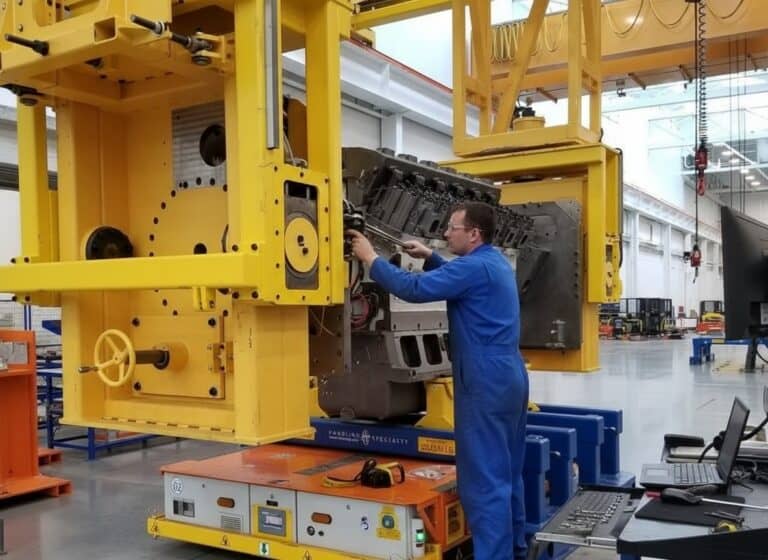
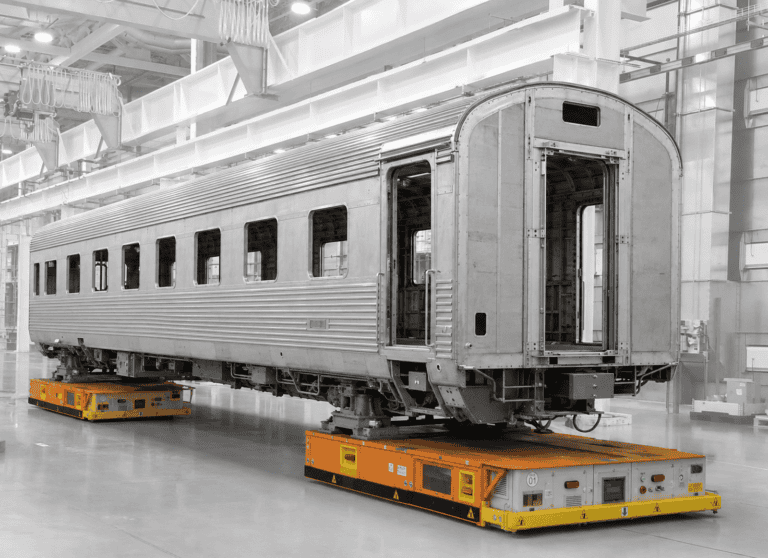
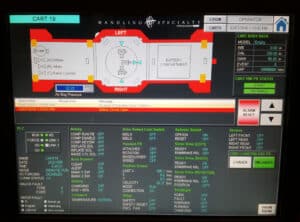
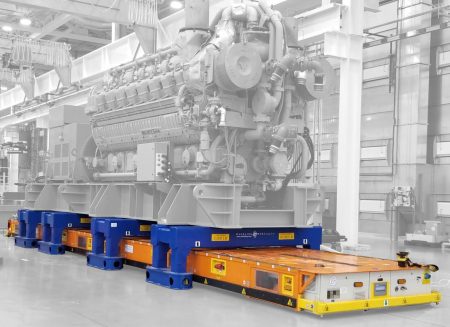
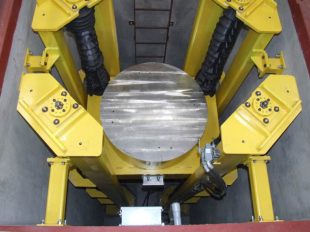
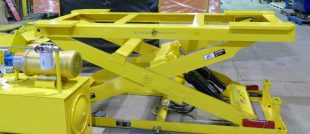
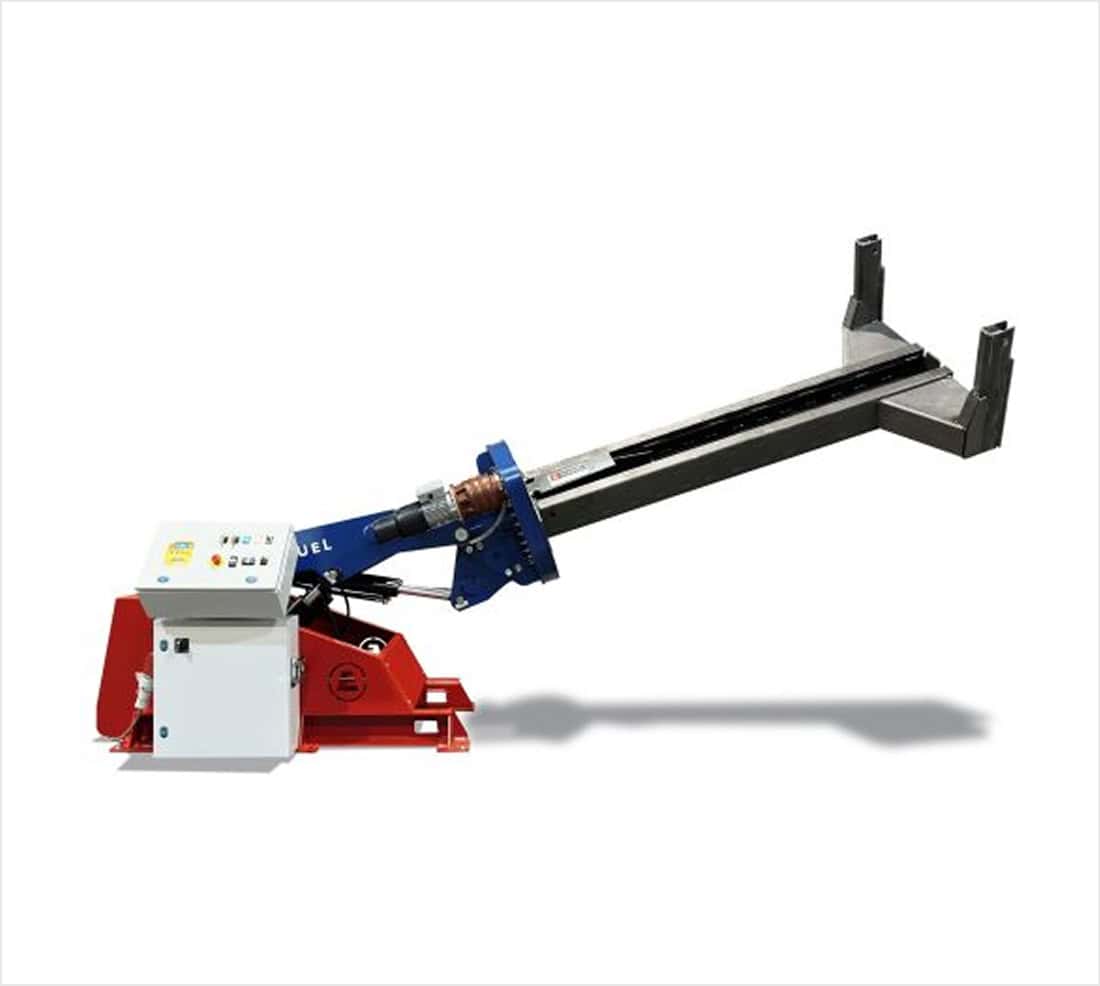
Automated Guided Vehicles remain the most versatile tool in the plant. In extreme environments, manufacturers rely on specialized material handling equipment designed for visibility and rapid egress. The integration of lithium-ion power has revolutionized these units, allowing for “opportunity charging” that keeps the fleet operational throughout multi-shift foundry operations. These machines, equipped with heavy-duty steel bumpers, bespoke tooling like scissor lifts and turn tables, and protected chassis, are essential for navigating tight aisles while moving heavy loads safely.
Heavy Structural Beams and 300-Ton Press Brakes: The Logistics of Massive Loads
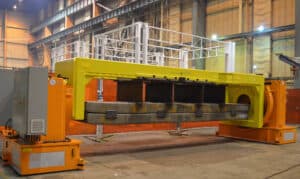
Moving 300-ton press brakes or massive structural beams requires more than standard material handling; it requires heavy-duty rigging and synchronized lift systems. The logistics of moving these loads involve overhead cranes combined with heavy-duty floor-based transport. This creates a high-pressure environment where every inch of floor space is calibrated to handle specific load-bearing limits. Successful operations map their facility to optimize the path of these massive loads, preventing bottlenecks in the assembly process.
Storage Silos and Bulk Material Handling for Cement and Aggregate
For foundries using specialized sand or steel mills handling fluxes, bulk storage is vital. Silo systems must be integrated into the automated material flow, often utilizing pneumatic or screw-conveyor systems to transport materials directly into the production line. This automation reduces human exposure to hazardous materials and ensures consistent material ratios, which are essential for quality control in metal casting.
Engineering a Resilient Material Flow: Lean Principles in Action
Applying 5S Principles to the Industrial Floor
The 5S methodology—Sort, Set in order, Shine, Standardize, Sustain—is the bedrock of an efficient facility. In a foundry, this translates to keeping aisles clear of debris and ensuring that critical tools are stored at the point of use. A clean, organized floor is not just about aesthetics; it is about safety and efficiency. When clutter is removed, the flow of material is optimized, and potential hazards are identified before they lead to injury or downtime.
Automating Receiving Processes to Boost Production Capacity
Automation in receiving, such as automated guided vehicles (AGVs) or integrated conveyor scales, accelerates the intake of raw materials. By instantly logging weight and dimensions upon entry, the plant creates a digital trail that follows the material through every stage of production. This visibility allows for tighter inventory control and better planning, ensuring that the manufacturing facility is never left waiting for critical inputs. Ladle Transfer cars are also an excellent option for transporting full and empty ladles through the foundry.
The Digital Plant: Leveraging Tech for Operational Visibility

Sensors and IoT Devices: Monitoring Equipment Health in High-Vibration Zones
Internet of Things (IoT) sensors are small but mighty. Placed on high-vibration equipment, they monitor for anomalies in heat and movement. In a steel mill, a vibration sensor on a rolling mill drive can detect a bearing failure weeks before it happens. This constant “listening” to the equipment creates an environment of reliability that prevents catastrophic downtime and ensures consistent quality in production.
Safety and Compliance in High-Risk Zones
OSHA Regulations and the Implementation of Safety Guardrails
Safety is the non-negotiable constraint in heavy industry. OSHA regulations provide the framework, but the implementation requires physical engineering. Installing industrial-grade guardrails around conveyors and heavy machinery is a fundamental step. These barriers do more than prevent accidents; they delineate high-risk zones, forcing pedestrian traffic to follow established, safe paths, thereby reducing the interaction between humans and heavy equipment.
Advanced Pedestrian Detection: SEnS+ Smart Environment Sensor Plus®
In busy foundry aisles, human-machine interaction is inevitable. Advanced pedestrian detection systems, such as SEnS+, provide an electronic layer of protection. These sensors identify nearby personnel and alert the AGV or MGV, automatically slowing the machine. By providing this “extra set of eyes,” technology bridges the gap between human error and a safe working environment, effectively managing the risk in high-traffic production zones.
Sustainable Material Management and Secondary Materials
The Beneficial Use of Secondary Materials: Managing Scrap and Coal Combustion Residuals
Sustainability is increasingly a driver for industrial efficiency. Foundries are now utilizing scrap metal and secondary materials more effectively to reduce raw material costs and lower carbon footprints. Managing these residuals requires specialized handling systems that can sort and process scrap at high volumes. By recycling these materials back into the production cycle, plants not only save money but also contribute to a circular industrial economy.
ISO 14001 Compliance: Sustainable Material Handling Life Cycles
ISO 14001 certification encourages a life-cycle approach to material handling. This means evaluating the environmental impact of equipment from procurement to disposal. Manufacturers are increasingly looking for machines that are energy-efficient, easy to repair, and recyclable at the end of their service life. This long-term thinking ensures that the plant remains competitive in an era of heightened environmental scrutiny and rising energy costs.
Reducing Environmental Impact through Efficient Dust Collection Systems
Dust collection is not only about equipment longevity; it is a critical component of environmental compliance. Modern systems utilize high-efficiency particulate air (HEPA) filtration to capture hazardous dust before it enters the atmosphere. By integrating these systems directly into the material handling flow, facilities ensure a cleaner, safer workplace that adheres to stringent air quality standards, fostering better relationships with local communities and regulatory bodies.
Maintaining the System: Parts, Support, and Lifecycle Management
Maintaining an industrial material handling system is a continuous commitment to excellence. As assets age, the availability of high-quality, compatible parts becomes the deciding factor in performance longevity. A robust maintenance strategy involves partnering with vendors who offer more than just hardware; they must provide technical support, rapid-response logistics, and comprehensive training for the facility staff.
Conclusion
The material handling landscape in foundry, steel, and rail operations is a complex environment where physical durability meets digital intelligence. By prioritizing heavy-duty, engineered equipment—from robust conveyor systems to sensor-equipped AGVs—and layering these with Lean methodologies and predictive analytics, plant managers can transform their facilities into high-efficiency machines.
The path forward requires moving away from viewing equipment as isolated units and toward integrating them into a unified, data-driven network. Whether it is implementing 5S on the floor, utilizing IoT sensors to monitor bearing health, or embracing sustainable secondary material practices, the focus must remain on the Total Cost of Ownership and long-term operational resilience. For those in the heavy industrial sector, the integration of these strategies is the most effective way to navigate the challenges of extreme environments and remain competitive in an evolving global market. Start your next phase of operational improvement by auditing your most critical bottlenecks today, ensuring that your facility is built not just for the demands of today, but for the growth of tomorrow.
Request a Material Handling Consultation with Whiting Equipment Canada today.